What durability specs actually matter in permanent lighting: IP68 LED, cold weather LED performance, UV resistant housings, freeze thaw cycles, and what
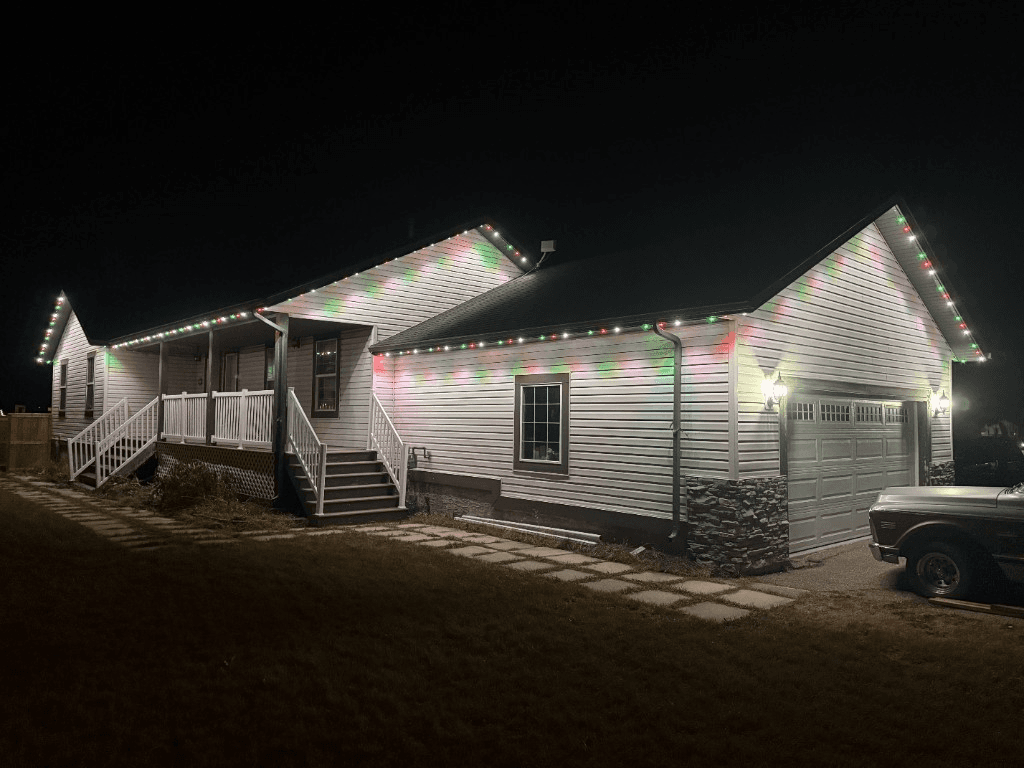 From our gallery
Brochure language is easy. Real weather is where outdoor lighting gets tested.
That is why outdoor LED durability should be one of the first things homeowners compare, not one of the last. Permanent lighting lives through snow melt, UV exposure, freeze thaw cycles, wind, and long periods of outdoor use. A weak connector, weak housing, or vague spec line can turn an expensive install into a maintenance headache.
This guide breaks down the permanent outdoor lighting specs that actually matter, what terms like weather resistant usually hide, and why IP68 LED, cold weather LED, and UV resistant LED hardware matter so much in Alberta conditions.
Why durability matters more than the brochure
A permanent lighting system is only as durable as its weakest component.
That includes:
- the LED node
- the housing
- the connector
- the cable entry
- the controller path
- the mounting system
If one of those fails in real weather, the whole system can suffer even if the rest of the hardware looked fine on install day.
That is why outdoor LED durability is really about the entire installed path, not just one marketing claim on the product page.
The specs that actually matter
Most homeowners do not need every engineering detail. They do need to know which specs separate durable outdoor hardware from vague sales language.
−40°C
Cold temperature rating
IP68
Waterproof rating
50,000+
Rated hours of lifespan
The most important durability checks are usually:
- exact IP rating
- cold-weather operating performance
- UV stability of housings
- sealed connection systems
- certified electronics and protection
- mounting that survives expansion, contraction, and wind
If a quote cannot explain those clearly, it is often missing the most important part of the buying decision.
What makes GOULY durability different
The biggest difference is that GOULY durability is built around exact specs and full-system protection, not vague outdoor language.
| Feature | Many Competitors | GOULY Gen 3 |
|---|---|---|
| Feature | Many competitors | ✓GOULY Gen 3 |
| IP rating | Weather resistant or vague outdoor claims | ✓Exact IP68 rating |
| Cold-weather performance | Not clearly stated or mild-weather focused | ✓Deep winter operation to −40°C |
| UV stability | Generic plastic housing claims | ✓UV-stabilized housings |
| Connector sealing | Weak connector or cable-entry points | ✓Sealed connectors and controlled moisture path |
| Control hardware protection | Focus on the LED only | ✓Certified electronics, fusing, and protection |
| Mounting durability | Basic mounting with limited climate discussion | ✓Built for Chinook swings, wind, and thermal movement |
| Lifespan claim | Long hours on paper | ✓50,000+ hours with supporting housing and seal durability |
That is the real difference between a spec-driven system and a marketing-driven one. Exact ratings and complete hardware protection tell you far more than broad phrases ever will.
Why IP68 matters in real outdoor lighting
One of the most important terms homeowners should understand is IP68 LED.
IP68 is different from lighter splash or rain protection claims. It means a higher level of sealing against dust and water intrusion, which matters when the system sees:
- snow melt
- standing moisture
- repeated wetting and drying
- blowing rain
- freeze and refreeze cycles
That is why permanent outdoor lighting specs should always include the actual ingress-protection number, not just broad words like “sealed” or “weatherproof.”
Why cold-weather LED performance matters
In Alberta, the issue is not only whether the light survives the cold. It is whether it still performs properly in the cold.
A real cold weather LED system should maintain reliable startup, stable brightness, and predictable output when temperatures drop deeply below freezing.
That matters because long winters and sudden swings can expose:
- weak housings
- poor seals
- unstable electronics
- brittle materials
If the hardware only works well in mild weather, it is not a durable permanent system.
Why UV resistant LED housings matter
Summer does damage too.
High-altitude sun can age cheap plastics quickly. That is why UV resistant LED housings matter for long-term performance. If the housing is not stable, homeowners can eventually see:
- yellowing
- cracking
- brittleness
- weakened seals
- premature structural failure
Outdoor durability is not just about winter toughness. It is also about how well the hardware survives years of sun exposure without degrading.
Why cheap nodes fail in Chinook freeze thaw cycles
Failure in outdoor lighting is often a sequence, not a single event.
In Alberta, that sequence often looks like this:
- Moisture gets in at the connector, cable gland, or housing seam.
- A Chinook warm-up shifts pressure and trapped moisture inside the system.
- Overnight cold freezes that moisture again.
- Expansion stresses the housing, board, lens, or connector from the inside.
- The homeowner later sees flicker, dim output, color shift, corrosion, or dead sections.
That is why freeze thaw outdoor lighting performance and Chinook-proof mounting matter so much more than generic outdoor marketing.
What a durable system should include
If you want hardware that lasts, look for these things:
- IP68-rated nodes or equivalent high sealing where it matters
- cold operation down to deep winter temperatures
- UV-stabilized housings
- sealed, field-serviceable connectors
- certified control hardware
- mounting designed for wind and thermal movement
Durability is not one feature. It is the combination of all of them working together.
The quote checklist we think homeowners should use
Before buying, ask:
- What is the exact IP rating of the nodes, connectors, and control enclosure?
- Is the system rated for deep winter operation?
- Are the housings UV stabilized?
- Are the connection points sealed and serviceable?
- Is the control hardware certified and protected?
- How does the mounting system handle expansion, contraction, and wind?
- If one node fails, can one module be replaced or does a larger section need rebuilding?
- Can the installer show the specs in writing?
Those answers tell you more about long-term value than almost any sales pitch.
The bottom line on durability and specs
If you want a system that actually lasts, the right question is not “does it light up?” It is “what happens after years of weather?”
That is why permanent outdoor lighting specs matter so much. IP rating, cold performance, UV stability, connector design, and certified electronics are what separate durable hardware from hardware that only sounds durable in a brochure.
For the bigger picture, explore The System, open the full durability and specs guide, or see the control hardware guide.
Frequently asked questions
The most important ones are usually exact IP rating, cold-weather operating performance, UV-stable housings, sealed connectors, certified electronics, and mounting built for wind and thermal movement.
Because IP68 indicates stronger sealing against water and dust intrusion, which matters when the system faces snow melt, standing moisture, and repeated wet-dry cycles.
A strong outdoor system should not only survive the cold. It should also start reliably and maintain stable brightness and performance in deep winter temperatures.
Because long-term sun exposure can yellow, crack, and weaken cheap plastic housings, which eventually affects both appearance and durability.
Moisture can enter weak points, shift during warm Chinook swings, and then freeze again overnight, stressing the housing or electronics until output starts degrading.
Questions before you book?
Visit our FAQ page
Get quick answers on Gen 3 Lighting, pricing, install timelines, app setup, warranty, and what to expect on install day.