Why a certified control box matters in permanent lighting: UL listed safety, water-resistant wet-location protection, fuse and short-circuit protection
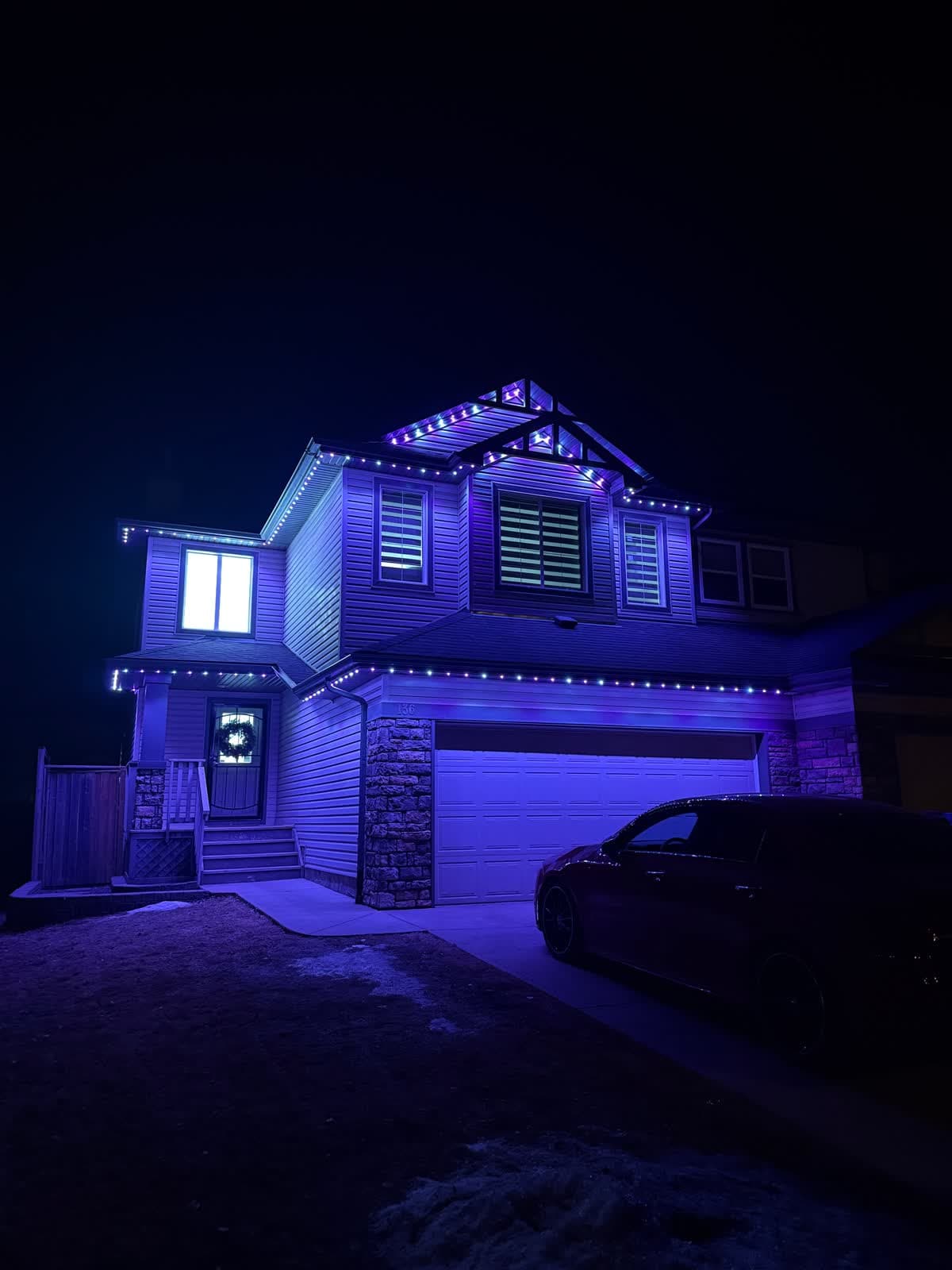 From our gallery
Homeowners usually focus on the lights they can see. The control box is easier to ignore because it sits in the background. That is exactly why it becomes one of the most dangerous places for cheap shortcuts.
The control box is where low-voltage lighting meets real electrical responsibility. It controls power, protection, and how the whole system behaves when something goes wrong. If it is uncertified, poorly sealed, or loosely assembled, it can put the rest of the install, and your coverage, at risk.
This guide explains why a certified control box matters, what to look for in an outdoor LED controller, and why a water resistant LED control box made for wet locations is very different from a budget enclosure with loose wiring and no listing.
Why the control box matters more than most homeowners realize
The lights may be the visible part of the system, but the control box is the part that distributes and protects power.
That means it affects:
- electrical safety
- moisture resistance
- fault protection
- long-term reliability
- serviceability
If the control box is weak, the whole system is weak, no matter how good the pucks or track look on the house.
Certified vs uncertified is not a small detail
This is not just about build quality. It is about what is actually inside the box and what happens if something goes wrong.
A certified control box means the hardware has recognized listing, organized protection, and an enclosure built for outdoor electrical use. An uncertified control box is often a loose collection of parts inside a cheap enclosure with no recognized listing for the actual installed setup.
That is why a proper UL listed control box and cUL listed control box matter. If an installer cannot show the listing, the hardware may be relying on generic parts, improvised wiring, or enclosure choices that were never evaluated as a complete outdoor system.
For homeowners and contractors, that creates real concerns around:
- electrical safety
- water intrusion
- fault protection
- insurance exposure
- warranty disputes
That is why the difference between a professional outdoor LED controller and an uncertified box is much bigger than appearance alone.
Certified control box vs budget box
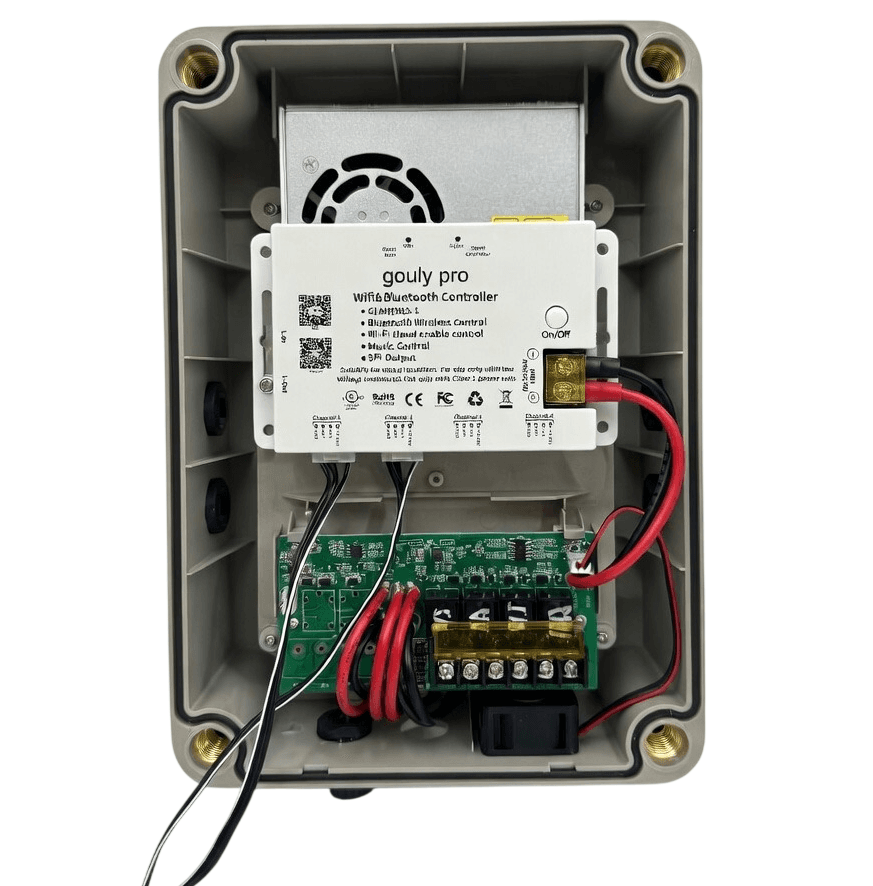
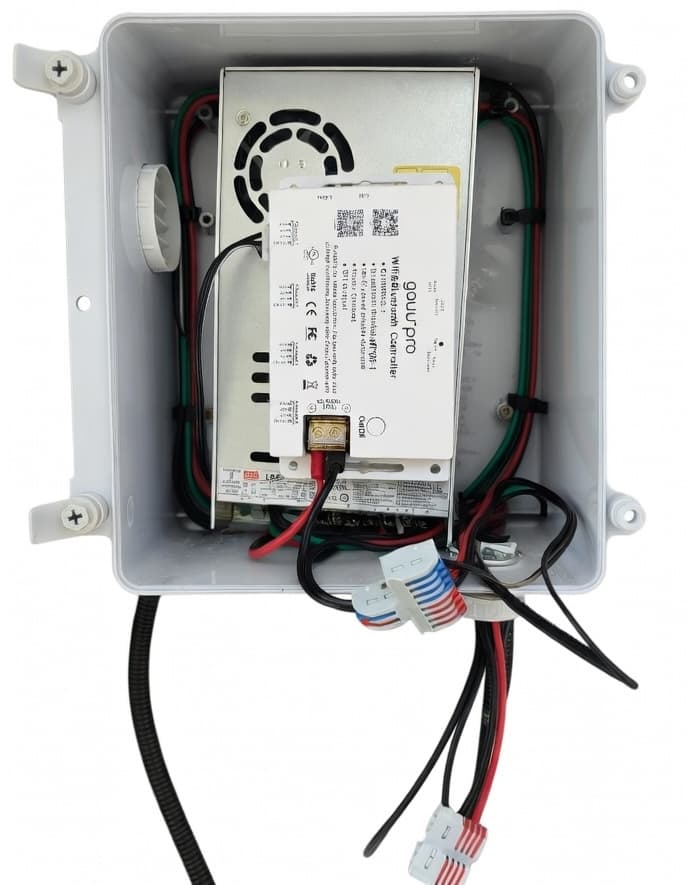
| Feature | Many Competitors | GOULY Gen 3 |
|---|---|---|
| Feature | Typical uncertified box | ✓GOULY certified control box |
| Safety listing | No UL or cUL listing | ✓UL and cUL listed |
| Enclosure quality | Basic box, improvised housing, or indoor-style box | ✓Outdoor-rated sealed enclosure |
| Wiring quality | Loose, exposed, or poorly managed wiring | ✓Organized, colour-coded wiring |
| Fuse protection | Missing or inconsistent | ✓Fuse and short circuit protection |
| Power supply safety | Varies | ✓Class 2 isolated power supply |
| Moisture defense | Open gaps, weak sealing, or poor enclosure fit | ✓Wet-location and weather-resistant design |
| Cable entry | Loose gaps or unsealed entry points | ✓Brass weatherproof cable glands |
| Insurance and warranty confidence | Higher risk if failure occurs | ✓Stronger documentation and confidence |
The visual difference matters, but the hidden difference matters more. A certified box is built around protection. An uncertified box is often built around price only.
Why insurance and warranty risk belong in the conversation
Most homeowners never ask about their control box until there is a problem. By then, the wrong time to discover uncertified hardware is already behind you.
If an electrical issue happens and the installation used uncertified components, it can complicate the conversation around:
- insurance claims
- contractor liability
- homeowner warranty concerns
- responsibility for replacement costs
That is why a certified outdoor electrical enclosure is not just a spec-sheet talking point. It helps establish that the installed system was built around recognized safety standards instead of improvised hardware.
What a good outdoor LED control box should actually include
A strong low voltage lighting control box should do more than turn lights on.
It should include:
- recognized safety listing
- wet-location or weather-resistant design
- fuse and short-circuit protection
- sealed cable entry points
- organized wiring
- safe low-voltage power handling
- predictable service access
The best systems are designed so the protection path is clear and intentional, not crowded together as an afterthought.
Why water resistance and wet-location design matter
Moisture is one of the most common causes of outdoor electrical failure. The control box does not need to sit in standing water to be vulnerable. Rain, spray, snow melt, and condensation are enough to expose weak enclosures and poor cable entry points.
That is why a proper water resistant LED control box made for wet locations matters. Good outdoor hardware is built to reduce water intrusion at the exact points where failures usually begin:
- around cable entry
- at enclosure seams
- near power components
- where temperature swings create moisture cycling
Outdoor-rated protection matters just as much at the controller as it does at the light module.
Why fuse and short-circuit protection matter
A control box should be ready for faults, not surprised by them.
That is why built-in fuse protection and short-circuit protection are important. If the system sees a wiring issue, overload, or fault condition, those protections help limit damage and reduce the chance that a small problem becomes a much larger one.
This is one of the clearest differences between a professional smart lighting control box and a bargain enclosure with minimal protection built into it.
Why Class 2 isolated power matters
A Class 2 low voltage power supply helps keep electrical output within safer limits and provides a more controlled path for the system.
For homeowners, the value is simple:
- safer low-voltage operation
- better confidence in the power path
- less dependence on improvised electrical choices
It is another example of why the right control box is not just a container. It is part of the safety design of the whole installation.
What to ask before you buy
If you are comparing quotes, ask these questions:
- Is the control box UL and cUL listed?
- Is the enclosure rated for outdoor or wet-location use?
- Does it include fuse and short-circuit protection?
- Is the power supply Class 2 isolated?
- How are cable entries sealed?
- Can the installer show the actual listed hardware being used?
- What happens to warranty and liability if the control box is uncertified?
If the answers are vague, that is usually the signal to keep looking.
The bottom line on certified control boxes
The control box is one of the least visible parts of the system and one of the most important. A certified control box gives you more than just a cleaner enclosure. It gives you safer power handling, better moisture resistance, stronger fault protection, and more confidence in the install as a whole.
That is why homeowners should treat the control box as a buying decision, not a background detail. If the installer cannot clearly explain the listing, protection features, and weatherproofing, the quote is probably cutting corners where it matters most.
For the bigger picture, explore The System, open the full certified control boxes guide, or see the live GOULY app preview.
Frequently asked questions
Because the control box manages power and protection for the whole system. If it is uncertified or poorly built, it can create safety, moisture, and liability risks for the entire installation.
A certified box is typically built around recognized safety listing, sealed cable entry, fuse protection, and proper power handling. Budget boxes often cut corners on those exact protections.
They help show that the hardware has been evaluated against recognized safety standards rather than relying on generic or incomplete claims.
Yes. If a failure happens and uncertified electrical hardware was used, it can create added risk and uncertainty around coverage, liability, and replacement responsibility.
At minimum, homeowners should look for recognized safety listing, weather-resistant enclosure design, fuse and short-circuit protection, sealed cable entry, and a safe low-voltage power path.
Questions before you book?
Visit our FAQ page
Get quick answers on Gen 3 Lighting, pricing, install timelines, app setup, warranty, and what to expect on install day.