A professionally installed, cUL-certified permanent lighting system should not affect your home insurance. Uncertified products are another story.
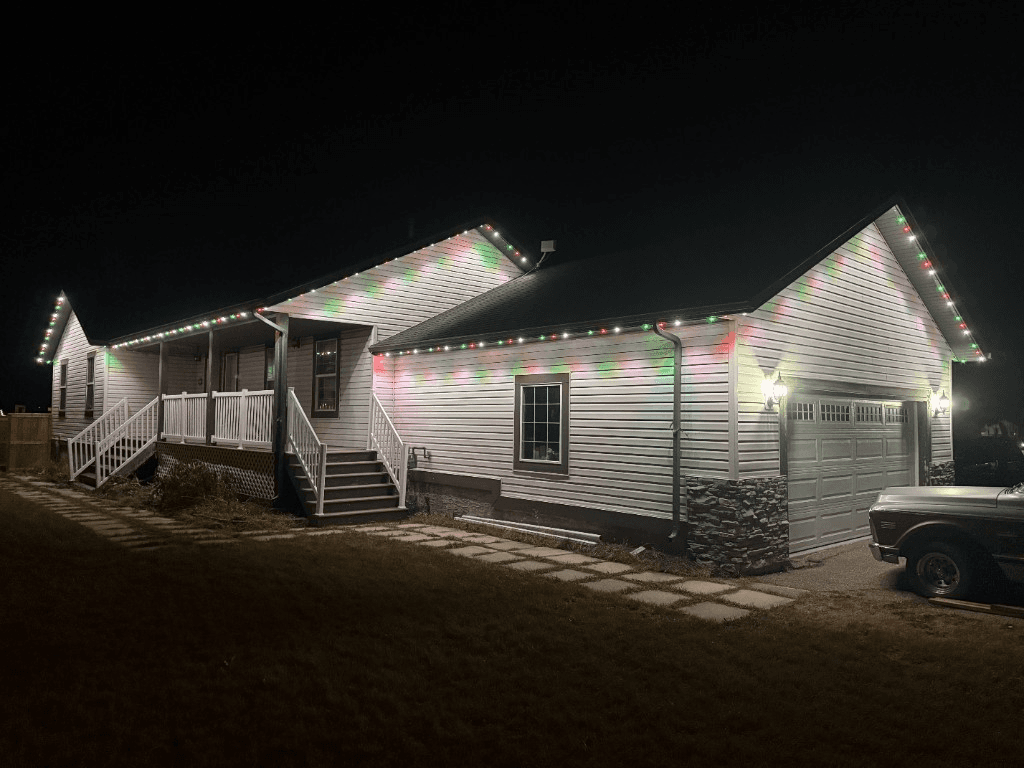 From our gallery
It is a smart question to ask before any electrical installation on your home. Will permanent outdoor lights affect your home insurance? Could they cause a problem if you need to make a claim?
The short answer: a professionally installed, certified permanent lighting system should not negatively affect your home insurance. But the details matter, and not all lighting systems are equal in the eyes of an insurer.
Why certification is the key factor
Insurance companies care about risk. When it comes to electrical products installed on a home, the primary risk factors are fire, electrical fault, and water intrusion. The way insurers evaluate that risk is through product certification.
The GOULY Gen 3 certified control box carries cUL certification (File Number E483482). This means the control box has been tested and listed by a Nationally Recognized Testing Laboratory to meet Canadian electrical safety standards.
cUL certification tells an insurer:
- The product has been independently evaluated for electrical safety
- It meets recognized standards for fire protection, fault handling, and enclosure integrity
- It is approved for the installation environment (outdoor, wet location)
- There is a traceable listing that can be verified
This is the same type of certification your electrical panel, furnace, and other critical home systems carry. It is not optional for safety-critical hardware. It is the baseline.
cUL
Certified control box (File Number E483482)
24V DC
Low-voltage system, reduced fire risk
Professional
Trained installation to code
24V low voltage reduces risk
The GOULY system operates at 24 volts DC on the lighting side. This is classified as extra-low voltage, far below the 120V AC found in standard household wiring.
From an insurance perspective, low-voltage systems inherently carry less risk:
- Lower fire risk. 24V DC cannot generate the arcing and heat that causes electrical fires in high-voltage systems
- Lower shock risk. Extra-low voltage is safe to touch, reducing liability concerns
- Simpler fault behavior. A short in a 24V system draws minimal current compared to a line-voltage fault
The only connection to household voltage is at the certified control box, which is where the cUL listing and professional installation become critical. That single point of high-voltage connection is the component that must be certified and properly installed.
For a detailed look at why 24V matters for safety and performance, see our 24V permanent lights guide.
Professional installation matters
How the system is installed is just as important as what is installed. A cUL-certified control box wired incorrectly still creates risk.
Number One Lights installs every system with trained professionals who understand:
- Proper electrical connections at the panel
- Correct fusing and circuit protection
- Sealed mounting to prevent moisture intrusion
- Cable management and weatherproof gland connections
- Local electrical code requirements
A professional installation creates a documented record that the work was done correctly. If an insurance company ever asks about the system, you can provide the installer's information, the product certification, and the installation details.
This is one of the strongest arguments for professional installation over DIY. A DIY install with no documentation and no certification history is much harder to defend in an insurance conversation.
The risk of uncertified lighting systems
This is where homeowners need to be careful. Not all permanent lighting systems on the market use certified control hardware.
Some installers use uncertified control boxes, loose components in generic enclosures with no recognized safety listing. These systems may work fine day to day, but they create a real exposure if something goes wrong.
If an uncertified electrical product is involved in a fire, water damage, or other insurable event, the insurance company may:
- Question the installation. Was the product certified for the intended use?
- Investigate the hardware. Does the control box carry a recognized listing (UL, cUL, CSA)?
- Limit or deny the claim. If an uncertified product contributed to the damage, coverage may be affected
This is not hypothetical. Insurance adjusters look at the cause of loss. If the cause traces back to an uncertified electrical device, the homeowner's position weakens significantly.
Always verify that your permanent lighting system uses a control box with a recognized certification listing. Ask the installer for the certification file number. If they cannot provide one, that is a red flag.
Learn more about what to look for in our certified control boxes guide.
| Feature | Many Competitors | GOULY Gen 3 |
|---|---|---|
| Factor | Certified system (GOULY) | ✓Uncertified system |
| Safety listing | cUL listed (File Number E483482) | ✓No recognized listing |
| Insurance confidence | Strong documentation, recognized certification | ✓Potential coverage concern |
| Fire and fault protection | Tested and verified by third party lab | ✓Unverified |
| Claim defense | Product meets recognized safety standards | ✓Harder to defend if product is involved in loss |
| Installation record | Professional install, traceable | ✓Varies, often undocumented |
What to tell your insurance company
If you want to notify your insurer about a permanent lighting installation, or if they ask, here is what to communicate:
- The system is low voltage (24V DC) on the lighting side
- The control box is cUL certified (File Number E483482)
- The system was professionally installed by a trained lighting company
- The control box is the only connection to household voltage, and it includes fuse protection and a sealed outdoor-rated enclosure
- The installation does not penetrate the roof or compromise the building envelope
Most insurers will have no concerns with a certified, professionally installed low-voltage system. It is comparable to landscape lighting, security cameras, or other common exterior electrical additions.
Recommended steps for homeowners
Whether you are installing permanent lights for the first time or evaluating an existing system, these steps protect your insurance standing:
- Choose a certified system. Verify the control box carries cUL, UL, or CSA certification. The GOULY Gen 3 control box is cUL listed
- Use professional installation. A professional install with documented workmanship protects you
- Keep your records. Save the installation invoice, product certification details, and installer contact information
- Notify your insurer if required. Some policies require disclosure of exterior electrical modifications. A quick call confirms you are covered
- Avoid uncertified products. If an installer cannot provide a certification file number for the control box, reconsider the installation
The goal is simple: make sure every component on your home meets recognized safety standards, is installed properly, and is documented. That protects your home, your family, and your coverage.
For more on the GOULY system and how it is built for safety, explore the full system overview or visit our FAQ page. You can also see completed installations in our gallery or hear from homeowners on our testimonials page.
Frequently asked questions
A professionally installed, cUL-certified system like GOULY Gen 3 should not affect your home insurance. The system is electrically certified, runs on safe 24V low voltage, and is installed by trained professionals. Uncertified lighting products could be a concern if damage or fire results.
Questions before you book?
Visit our FAQ page
Get quick answers on Gen 3 Lighting, pricing, install timelines, app setup, warranty, and what to expect on install day.