What outdoor LED track actually does on a home, why aluminum Hat Track matters, how hidden wiring and below-fascia installs create cleaner rooflines, and what
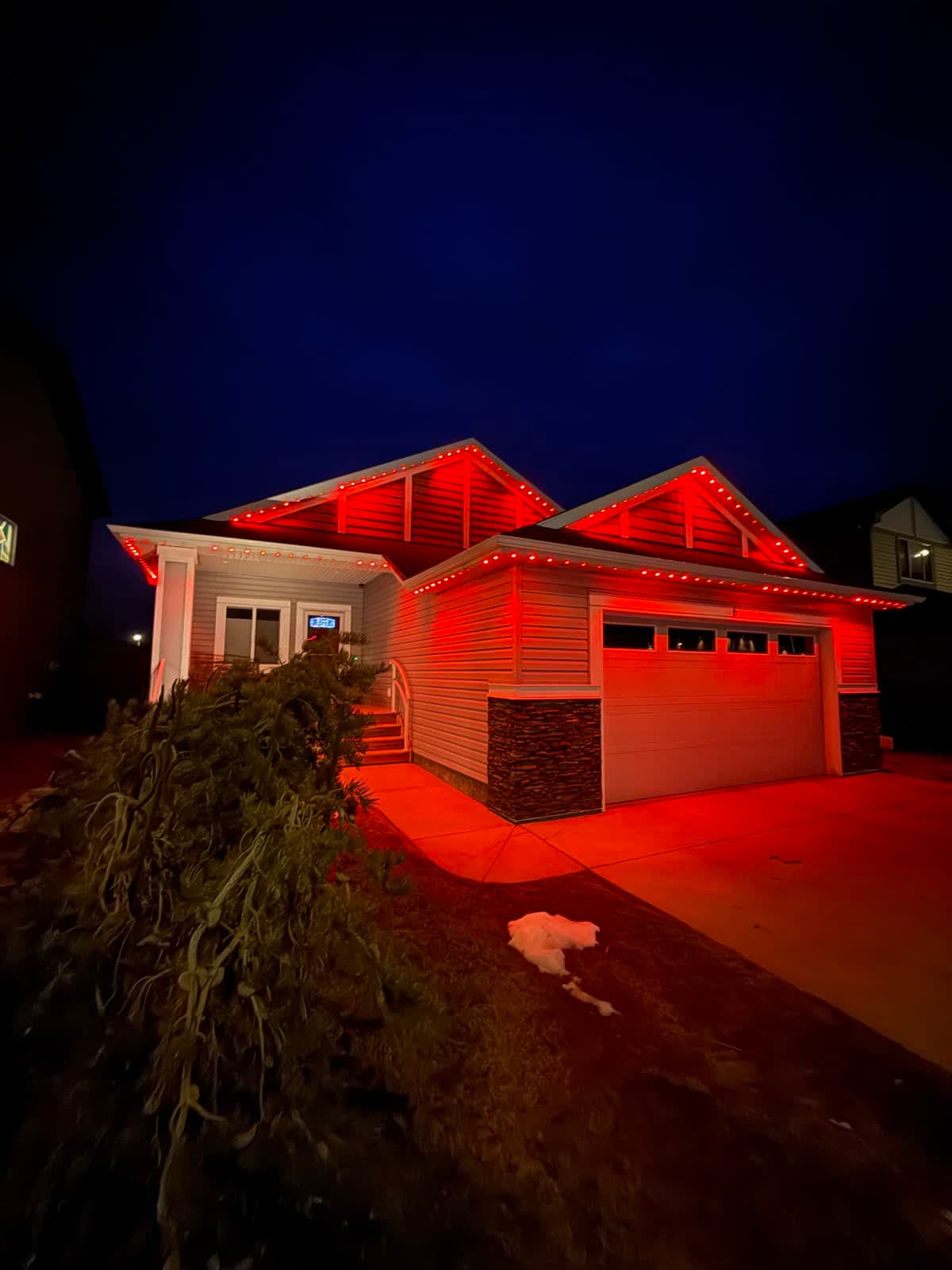 From our gallery
Shopping for LED track lighting usually starts with the wrong mental picture. Most homeowners think about the light first. Professionals look at the track first, because the track decides whether the install looks architectural or looks like add on hardware.
For permanent roofline lighting, the track is what controls line quality, module spacing, hidden wiring, service access, and how clean the house looks when the lights are off. If the track is wrong, even premium LEDs can end up looking busy, exposed, or temporary.
This guide explains what an outdoor LED track actually does, why aluminum LED channel exterior systems outperform cheap plastic or improvised mounting, and what to look for if you want a clean permanent install on fascia and soffit lines.
What residential track lighting means on a home
In this context, residential track lighting does not mean an indoor retail fixture. It means a purpose built roofline track lighting channel that mounts along the eave line and holds permanent LED modules in a straight, controlled layout.
The goal is simple:
- keep the roofline crisp and even
- keep the modules seated properly
- hide the wiring path
- make the system look discreet when the lights are off
That is why homeowners searching for permanent light track, eave lighting track, or fascia mounted lighting track are all really searching for the same thing: a clean structural system that makes permanent lighting look intentional.
Why the track matters more than most quotes admit
Installers often spend more time talking about colors, app control, or holiday patterns than they do talking about the mounting system. That is backwards.
The track determines:
- whether the LED run stays straight across long fascia lines
- whether the hardware blends into the house during the day
- whether wiring stays hidden or becomes visible from the street
- whether the system can be serviced later without rebuilding major sections
- whether the install stays solid through wind, snow, and freeze thaw cycles
If a quote only says “lights installed on soffit” without clearly describing the channel, fastening method, spacing, and serviceability, it is missing the part that controls the finished look.
Hat Track vs clip on track systems
Not all roofline track systems are built the same. The differences show up in material quality, finish, mounting style, and how well the track holds up after the install is done.
| Feature | Many Competitors | GOULY Gen 3 |
|---|---|---|
| Feature | Typical competitor track | ✓GOULY Hat Track |
| Made in | China | ✓Canada |
| Material | Plastic or thin metal | ✓Premium aluminum |
| Anti corrosion | Varies | ✓Yes |
| Water resistance | Varies | ✓Yes |
| Colour matching | Limited or generic colors | ✓Matched to fascia |
| Track style | Clip on | ✓Hat Track |
| Wind resistance | No | ✓Yes |
| Service access | Harder to access later | ✓Built in access for future service |
This is why the track deserves real attention on a quote. Even if two systems look similar in a photo, the mounting method and material quality can lead to very different ownership experiences over time.
Why aluminum Hat Track is different
Hat Track is a purpose built soffit track lighting and fascia channel for permanent LED systems. It is not a generic strip and not a temporary mounting hack.
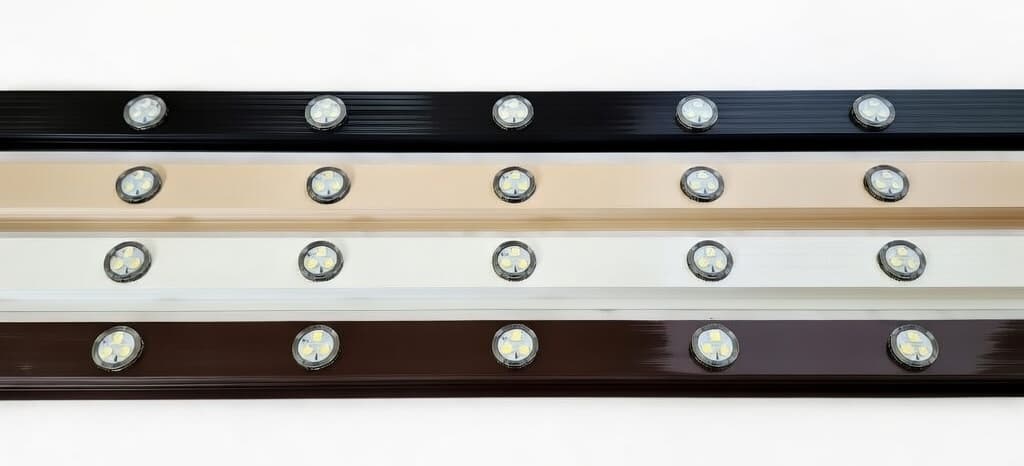
Here is what makes it different:
- Premium aluminum construction for rigidity, corrosion resistance, and long term shape retention
- Below fascia placement so the run feels integrated into the roofline rather than hung on afterward
- Concealed wiring path so cords and connections are hidden inside the channel
- Colour matched finish so the channel visually disappears into the fascia when lights are off
- Accessible fastening and service path so future maintenance is practical
That combination is what separates a true architectural roofline lighting track from a budget install that looks fine at night but obvious during the day.
Why aluminum beats plastic or thin metal
For permanent outdoor lighting, the track lives through UV, wind, snow load, and sudden temperature swings. That is why aluminum track for permanent lights is worth paying attention to.
A strong aluminum profile helps prevent:
- warping in sun exposure
- sagging across long straight runs
- cracking in cold weather
- looseness around module openings
- visual waves that make a roofline look sloppy
This matters even more in Alberta, where Chinook swings and winter cold can expose weak materials quickly. A track that cannot hold its shape will eventually make the whole lighting system look cheaper than it actually is.
Colour matching changes how the house looks during the day
One of the biggest differences between a professional system and a distracting one is whether the channel is visually obvious when the lights are off.
With a colour matched fascia lighting system, the track is selected to blend with the existing fascia tone instead of contrasting against it. The goal is not to show off the hardware. The goal is to preserve the architecture.
That is why colour matching matters:
- the roofline keeps its original appearance
- the home does not get a striped or patched look
- the hardware feels integrated rather than attached
- homeowners keep the benefit of permanent lights without the daytime clutter
If your priority is clean curb appeal, the channel finish matters almost as much as the lighting itself.
Below fascia installation is what keeps the line discreet
On a well planned install, the channel sits neatly below the fascia board. One side fits tight to the fascia while the opposite side is secured from the soffit. That creates a straight, locked in line with clean visual alignment.
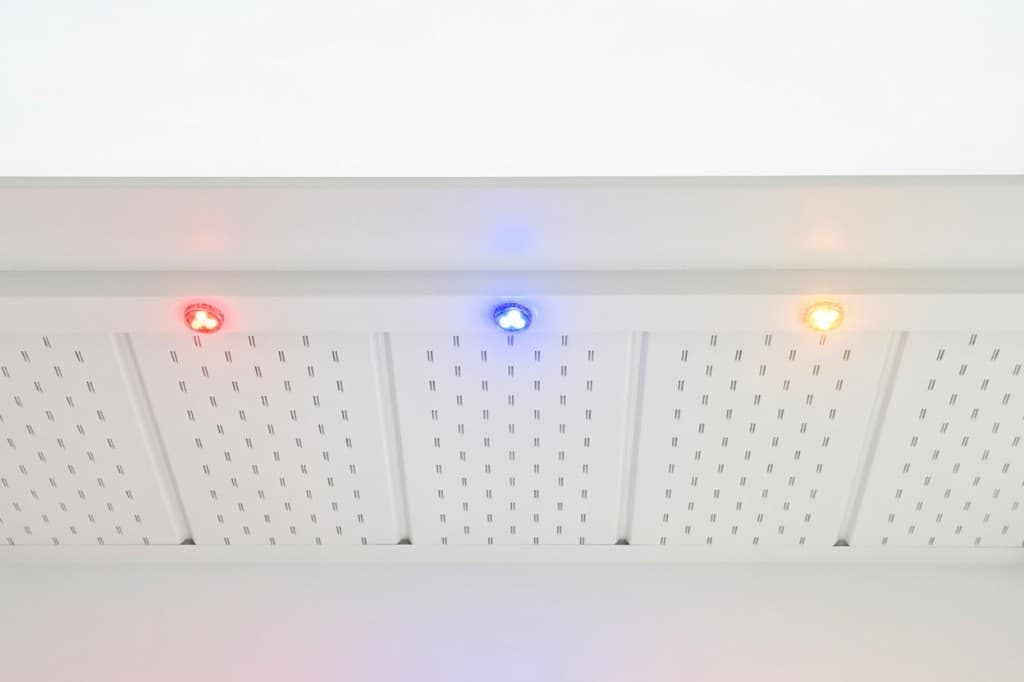
This below fascia LED track approach helps with three things at once:
- It keeps the lighting line consistent.
- It hides more of the structure from normal viewing angles.
- It keeps access practical for fastening and service.
That is a major reason homeowners prefer a purpose built hidden wire outdoor lighting track instead of exposed clips, face mounted strip, or ad hoc brackets.
Concealed wiring is part of the finish, not an extra
Visible wiring is one of the fastest ways to make a permanent system feel temporary.
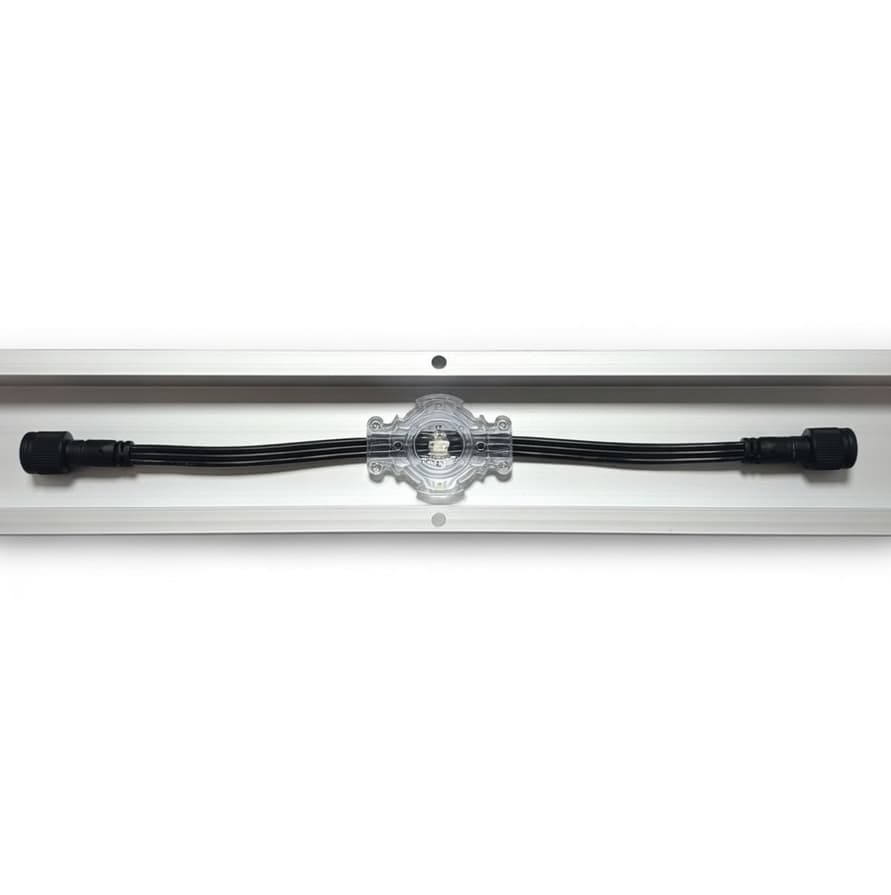
A proper concealed wire LED channel keeps power runs and connections inside the track from end to end. That improves the appearance of the install and reduces the number of visible details competing with the home’s trim and roofline.
It also makes the install easier to live with long term:
- less visual clutter
- fewer exposed connection points
- cleaner service path
- better overall finish from the street
If you are comparing quotes, ask where the wire actually runs and what you will see when standing at the curb in daylight.
Module fit and spacing matter too
The track is not just a holder. It controls how the LED modules sit, how they align, and how evenly they project from the roofline.
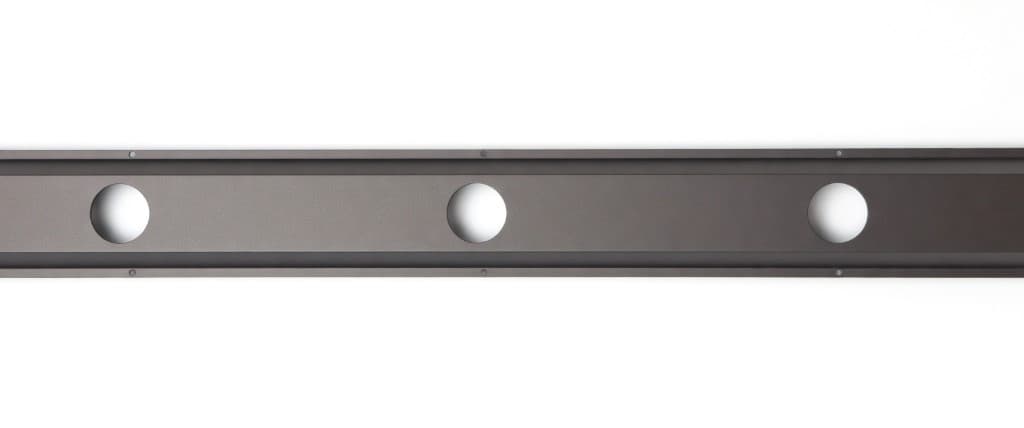
That is why engineered openings and correct spacing matter. For example, tighter spacing is not automatically better. On brighter 24V puck systems, spacing that is too tight can create overlap and muddy color transitions instead of crisp scenes.
A strong outdoor puck light track system should be designed around:
- secure module seating
- repeatable spacing
- alignment across long runs
- future replacement access
This is the difference between “lights attached to the house” and a system that was actually engineered for the house.
What to ask before you buy
If you want a clean permanent install, ask these questions on every quote:
- What type of LED track channel for soffits are you using?
- Is it aluminum, plastic, or thin metal?
- Is the finish colour matched to the fascia?
- Is the track mounted below fascia or directly exposed?
- Where does the wire run, and will it be visible from the street?
- How are modules spaced and held in place?
- If one section needs service later, do you have access without rebuilding the whole run?
Good installers should be able to answer these quickly and show examples.
The bottom line on LED track lighting
If you care about how permanent lighting actually looks on the house, the track is not a minor detail. It is the structural finish system behind the entire install.
The best permanent lighting track system is the one that keeps the line straight, hides the hardware, protects the wiring path, and blends into the architecture when the LEDs are off. That is what gives you a result that feels built into the home instead of clipped onto it.
For a wider look at the full system, explore The System, browse Designs, or open the live GOULY app preview.
Frequently asked questions
It is a purpose built channel mounted along fascia and soffit lines to hold permanent LED modules in a straight, discreet, serviceable layout.
Aluminum generally holds its shape better through UV exposure, wind, snow, and temperature swings. That helps the roofline stay straight and the modules stay seated properly.
A well designed system is colour matched to the fascia so the channel blends into the roofline instead of standing out during the day.
Below-fascia placement keeps the line cleaner from normal viewing angles while also preserving access for fastening, wiring, and future service.
Yes. A proper permanent lighting track is designed to conceal wiring and connections inside the channel rather than leaving cords visible from the street.
Questions before you book?
Visit our FAQ page
Get quick answers on Gen 3 Lighting, pricing, install timelines, app setup, warranty, and what to expect on install day.