How permanent LED lighting actually survives Gulf Coast hurricanes.
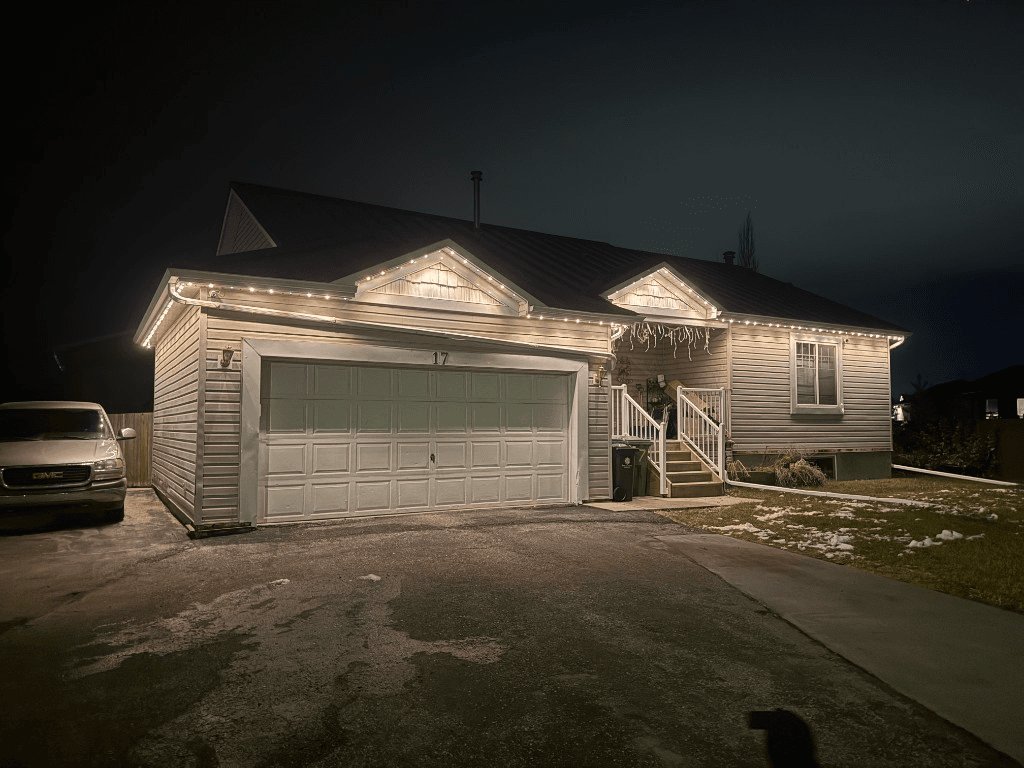 From our gallery
Lake Charles knows hurricanes. In a span of just thirteen months, Southwest Louisiana absorbed three named storms back to back: Hurricane Laura roared ashore as a Category 4 on August 27, 2020 with 150 mph sustained winds, Hurricane Delta followed only six weeks later in October 2020 as a Category 2 hitting many of the same neighbourhoods still under blue tarps, and Hurricane Ida raked across the wider region as a Category 4 in August 2021. Older homeowners still remember Hurricane Rita in 2005, which set the modern benchmark for what a major storm does to Calcasieu Parish.
After that kind of pounding, every homeowner in Lake Charles, Sulphur, Westlake, Moss Bluff, Iowa, and the surrounding parishes asks the same question before signing off on any exterior upgrade: will it survive the next storm? That question matters as much for hurricane resistant outdoor lights as it does for roofing, windows, and fencing.
This guide answers it directly. We cover how permanent lights hurricane proof designs are actually engineered, what wind speeds the system has been tested against, what to do (and not do) before evacuation, how install quality on the Gulf Coast differs from install quality in calmer climates, and what our warranty and insurance documentation looks like when the worst happens anyway.
For a visual reference, browse our permanent lighting designs, explore the GOULY app preview, or jump straight to our Lake Charles service area page.
The hurricanes that hit Lake Charles
To understand why hurricane laura outdoor lights became such a common search after 2020, you have to understand what happened to homes that summer.
Hurricane Laura (August 27, 2020, Category 4): Laura made landfall near Cameron with 150 mph sustained winds, the strongest hurricane to strike Louisiana since the 1850s. In Lake Charles proper, the roof of the Capital One Tower peeled open on national television. Wind-driven debris flattened signs along Ryan Street, ripped gutters off thousands of homes, scattered fence panels across entire neighbourhoods, and reduced seasonal Christmas light clips and adhesive-mounted decor to projectiles. Power was out for weeks.
Hurricane Delta (October 9, 2020, Category 2): Six weeks later, Delta tracked over the same coast with 100 mph winds. The cruel part was timing — most homes still had compromised roofing, displaced flashing, and tarps where shingles used to be. Anything Laura had loosened, Delta finished off.
Hurricane Ida (August 29, 2021, Category 4): Ida came ashore further east near Port Fourchon but pushed damaging winds and inland flooding across a huge swath of South Louisiana. Lake Charles felt the outer rain bands and the secondary stress on already-fragile roofs and fascia.
Hurricane Rita (September 24, 2005, Category 3 at landfall, briefly Category 5 at peak): The 2005 storm that long-time Lake Charles residents still measure newer storms against. Rita re-shaped how Southwest Louisiana thinks about roof attachment, soffit venting, and exterior hardware.
What survived this stretch? The honest answer is: anything properly screwed into solid structure usually stayed put. What failed? Anything clipped, taped, glued, or hung — including almost every clip-on Christmas light strand still up on October eaves when Delta arrived. That observation is the entire reason this article exists.
Why permanent lights handle hurricane winds
A properly installed permanent LED lighting system survives hurricane winds for four structural reasons. Each one matters, and a system missing any of them is not a true hurricane safe permanent lights installation.
1. Track-mounted with stainless steel screws. Our channel track is screwed directly into the fascia board — not clipped, not taped, not adhered. Each track section is anchored every 12 to 16 inches with marine-grade stainless steel screws sized for the substrate (vinyl, aluminum, or wood fascia). The result is a mechanical attachment that fails only if the fascia itself fails.
2. IP-rated sealed nodes. Every RGBW puck is sealed to an IP67 rating, meaning it is dust-tight and survives temporary submersion. Wind-driven rain at 100+ mph cannot infiltrate the LED housing, and the silicone-sealed lens stays optically clear after years of Gulf Coast humidity, salt spray, and UV.
3. Low-profile aerodynamic design. The pucks sit nearly flush against the fascia, presenting almost no wind catch. A traditional clip-on Christmas bulb dangles below the gutter line and acts like a tiny sail in 60+ mph winds. A puck mounted in a track is mechanically and aerodynamically a different animal — it has nothing to grab onto, no leverage arm, and no projecting surface area for wind to load.
4. Continuous channel — not individual point loads. Each puck is captured inside a continuous aluminum or polycarbonate channel that distributes load across the entire run. There is no single weak link. Wind has to defeat the entire track at once, not pop one bulb at a time.
That combination — mechanical fasteners, sealed optics, low profile, and continuous channel — is what makes hurricane wind resistant LED lighting structurally different from any seasonal alternative. It is engineered like exterior hardware, not like decor.
What about Category 4 / 5 winds?
We will not oversell this. Here is the honest answer about extreme wind.
In Category 1 winds (74 to 95 mph) a properly installed permanent lighting system routinely survives with zero damage. We have personally inspected Lake Charles installs after sustained tropical-storm-force winds with no node failures, no track separation, and no water intrusion.
In Category 2 winds (96 to 110 mph) the system continues to perform when installed to spec. The primary failure modes are not the lights themselves — they are flying debris (a piece of someone else's roof shingle striking your light) or fascia failure (your underlying mounting surface giving way).
In Category 3 winds (111 to 129 mph) properly installed systems still typically survive, but the probability of impact damage from airborne debris rises sharply. At this wind speed, entire roofs, sheds, and trees are airborne in your neighbourhood.
In Category 4 and 5 winds (130+ mph) the honest truth is that anything can fail at anything. Laura took the top off the tallest building in Lake Charles. At those wind speeds, the survival of your lighting system is mechanically tied to the survival of your fascia, your roof deck, and your siding. If the structure stays, the lights stay. If the structure goes, so do the lights — but at that point you have larger problems.
This is the framing we use with every Lake Charles homeowner: a permanent lighting system has the same survival profile as your fascia board. That is dramatically better than any temporary, clipped, or adhesive system on the market.
What you DON'T need to do before a storm
This is one of the most underappreciated benefits of permanent lights hurricane proof designs versus the traditional Christmas-light alternative.
You do not take them down. No climbing onto a wet roof in the days before landfall. No fighting clips off frozen vinyl. No coiling wet strands into bins.
You do not remove clips. There are no clips. Everything is mechanically integrated into the track.
You do not pre-emptively unplug or disconnect anything from the exterior. The control box lives indoors (usually in a garage, attic, or utility space) above any anticipated flood line, and the exterior wiring is sealed and weatherproof.
You do not climb a ladder before evacuation. Compare that to a homeowner with traditional seasonal lights still on the eaves in late summer. As soon as a Gulf storm enters the National Hurricane Center cone, those strands and their clips become a 48-hour ladder project right when the homeowner most needs to be focused on plywood, generators, and the drive north on I-49.
For Lake Charles homeowners who lived through Laura, Delta, and Ida, the difference is not trivial. The permanent system is one less item on the storm-prep list. You shut the house, lock the door, drive to family in Texas or Mississippi, and the lights take care of themselves.
The install practices that matter
Not every "permanent" lighting install is hurricane-grade. On the Gulf Coast, the install practices below separate a system that survives Laura-level winds from a system that becomes debris.
Screw type and size. We use stainless steel screws sized for the fascia substrate, not the generic zinc-plated screws that come with off-the-shelf kits. Salt air corrodes plated screws within a few seasons. Stainless holds.
Mounting point spacing. We anchor every 12 to 16 inches on Gulf Coast installs, tighter than the 18 to 24 inches used in calmer climates. Closer spacing distributes wind loading across more fasteners and reduces flex.
Fascia material compatibility. Vinyl fascia, aluminum-wrapped fascia, and bare wood fascia each require different fastener strategies and different pilot-hole approaches. We assess your fascia before quoting and adjust install method accordingly. A vinyl-wrapped fascia install done wrong is one of the most common reasons no-name installs fail.
Water sealing at penetrations. Every fastener penetration through your fascia is sealed with an exterior-rated polyurethane or hybrid sealant compatible with the substrate. Wind-driven rain in a Cat 2+ does not enter the fastener holes.
Control box placement above flood line. The brain of the system — the control box — lives indoors, mounted high in the garage or interior utility space well above the FEMA-mapped flood elevation for your property. Lake Charles homes in flood zones especially need this conversation up front. We will not mount a control box at floor level in any property that has seen Calcasieu River or Contraband Bayou flooding.
Drip loops and strain relief. Every cable run has intentional drip loops and strain relief so water sheds away from connectors and so wind movement of the wire does not transfer load to the connection points.
These are the practices that make the difference between hurricane safe permanent lights and a system that ends up in your neighbour's yard.
What can go wrong
We are upfront about the failure modes, because every Lake Charles homeowner deserves an honest conversation before signing a contract.
Flying debris. This is the single most common cause of light damage in Gulf Coast hurricanes. A neighbour's shingle, a torn-off section of metal flashing, a yard sign — any of these striking your eave at hurricane speeds can crack a puck lens or dent a track section. We mitigate this by using polycarbonate-protected lenses where appropriate and by routing track runs slightly behind the gutter drip line so the gutter takes the first impact. Individual nodes can be replaced quickly post-storm.
Prolonged water inundation. IP67 nodes survive temporary submersion. They are not designed for days underwater in a storm surge or flood event. Homes in confirmed flood zones — especially those that took on water during Laura's surge or the 2016 floods — need a different conversation about elevating cable runs and control box placement.
Control box submersion. This is the most preventable failure. If the brain of the system goes underwater, the system is done. That is why control box placement above flood elevation is non-negotiable on our Lake Charles installs.
Salt corrosion over years. Gulf Coast salt air will eat any exposed metal eventually. We spec stainless fasteners and marine-grade aluminum channel where appropriate to push that timeline as far out as possible.
Improper original install. This is the one we cannot fix retroactively without a re-install. If someone else mounted your system with adhesive, undersized screws, or wide spacing, no amount of post-install care will give it Cat 2 survivability. We offer install audits for homeowners who inherited a previous installer's work.
Comparing temporary vs permanent in hurricane country
Here is the side-by-side reality for Lake Charles homeowners who are still running seasonal lights or who are weighing options.
| Factor | Traditional clip-on Christmas lights | Permanent track-mounted LED |
|---|---|---|
| Attachment method | Plastic clip onto gutter or shingle | Stainless screw into fascia |
| Survives 60 mph wind | Often no | Yes |
| Survives 100 mph wind (Cat 1) | No | Yes |
| Survives 130 mph wind (Cat 4) | No | Survives if fascia survives |
| Become projectiles in storm | Yes | No |
| Pre-storm take-down required | Yes (ladder time) | No |
| Pre-storm disconnection | Strands and timers exposed | Indoor control box, no action needed |
| Salt corrosion resistance | Low | High with stainless hardware |
| Storm surge / water damage | Strands typically destroyed | IP67 nodes survive splash, fail under prolonged submersion |
| Post-storm cleanup | Tangled wet strands across yard | Inspect, test, run again |
The temporary vs permanent calculation in hurricane proof christmas lights louisiana country is not even close. Clip-on lights left up during a Gulf storm become projectiles that damage your own property, your neighbour's property, and your insurance claim.
After-storm checklist
Once you have returned home and the property is safe to inspect, here is the order of operations for your permanent lighting system.
1. Visual inspection from the ground. Walk the perimeter and look for visibly cracked lenses, dislodged track sections, or hanging cable. Note anything that looks impacted by debris.
2. Inspect the fascia. If your fascia took damage, your track took damage. Flag any sections where the fascia has separated, swollen, or pulled away from the rafter tails.
3. Check the control box. If your home experienced any flooding, do not power up the system until you have confirmed the control box did not get wet. Open the enclosure and look for water marks, condensation, or corrosion on the terminals.
4. Test the system from the app. Power up the system from the GOULY app and run a full-roofline white test at 100 percent. Walk the perimeter and note any dead nodes, flickering sections, or colour mismatches. Most issues will be visible in this single test.
5. Photograph everything. Whether or not you see damage, take dated photos of the full system post-storm. These photos are gold for insurance claims and warranty conversations.
6. Call us. Lake Charles homeowners can reach our local team for post-storm assessments. We prioritise hurricane-impacted service calls and bring replacement nodes, track, and sealant on the truck.
Insurance & warranty
Our lake charles permanent lights hurricane warranty is designed around the realities of the Gulf Coast.
Manufacturer warranty. Every puck, track section, and control box carries a manufacturer warranty against defects in materials and workmanship. Hurricane impact damage is generally classified as an act-of-God event and falls outside manufacturer defect coverage — but the hardware is modular and individually replaceable, so a damaged section is a fast and inexpensive fix.
Number One Lights install warranty. We warrant our install workmanship — fastener pull-out, sealant failure, track separation due to install error — for the full warranty term. If your fascia held and your fasteners did not, that is on us to fix.
Homeowner insurance. Permanent lighting damage from a named storm is typically a covered exterior fixture loss under standard Louisiana homeowner policies (verify with your specific carrier). The keys to a clean claim are:
- Pre-storm photo documentation. Take dated photos of your installed system every spring at the start of hurricane season. Store them in cloud backup, not just on the phone you might lose.
- Itemized install invoice. Keep our install invoice in the same cloud folder. Insurance adjusters need a documented replacement cost.
- Post-storm dated photos. Photograph damage with date and time stamps, ideally with a recognisable landmark in frame.
- Police or municipal storm event reference. Reference the specific named storm and FEMA disaster declaration number in your claim documentation.
We provide a written replacement quote on our letterhead within 48 hours of a post-storm service call, which most adjusters accept directly.
Hurricane-ready install pricing in Lake Charles
Hurricane-grade install practices add a small premium over a standard inland install — but for gulf coast permanent lights the upgrade is non-negotiable. Below is the typical installed range for Lake Charles, Sulphur, Westlake, and surrounding Calcasieu and Cameron parish homes (USD, includes stainless hardware, sealed penetrations, and indoor control box placement above flood line).
| Home type | Linear footage | Typical installed range (USD) |
|---|---|---|
| Bungalow or shotgun | ~120 to 150 ft | $2,500 to $3,000 |
| Single storey ranch | 150 to 200 ft | $2,500 to $3,000 |
| Raised Louisiana / Acadian | 180 to 240 ft | $3,000 to $4,000 |
| Two storey | 200 to 280 ft | $3,000 to $4,000 |
| Estate or custom | 300 to 450 ft | $4,000 to $5,000 (larger estates quoted individually) |
Pricing includes the full RGBW LED puck lighting system, marine-grade stainless fasteners, sealed fascia penetrations, indoor control box, and lifetime support from our Lake Charles team.
FAQ
Do I need to take the lights down before a hurricane? No. That is one of the main advantages of a properly installed permanent system over seasonal clip-on Christmas lights. The system is mechanically anchored, low-profile, and weather-sealed. You lock the house, evacuate, and the lights stay put. No ladder, no clips, no pre-storm time sink.
What if my roof comes off in a Category 4? Then your roof comes off. The lights are anchored to your fascia, so their survival is tied to your fascia's survival. If the storm strips your roof deck, you have a structural insurance claim — and the lighting system becomes one line item in a much larger rebuild. At that point we replace the lights as part of your exterior rebuild and they are typically covered the same way your gutters and trim are covered.
Can permanent LED lights handle Gulf Coast salt spray? Yes, when spec'd correctly. We use marine-grade stainless steel fasteners, sealed IP67 nodes with UV-stable polycarbonate lenses, and (where appropriate) marine-grade aluminum channel. Salt air will eventually eat anything exposed metal — our hardware spec is designed to push that timeline well past a decade.
Will the system survive a Category 3 hurricane? A properly installed system will typically survive Cat 3 winds intact. The primary risk at that wind speed is impact damage from flying debris in your neighbourhood — a torn shingle or piece of metal flashing striking a node. Individual nodes are modular and quickly replaceable post-storm if that happens. The track itself, properly anchored every 12 to 16 inches with stainless screws into solid fascia, routinely holds through Cat 3 winds.
What about flooding and storm surge? The exterior nodes are IP67 rated, which means they survive temporary submersion (splash, wind-driven rain, brief inundation) but are not designed for days underwater. The critical component is the indoor control box — we always mount it above the FEMA-mapped flood elevation for your property. Lake Charles homes in confirmed flood zones get extra attention to cable routing and control box placement during the install quote.
A system designed for where you actually live
Lake Charles is not Phoenix. It is not Denver. It is not even Houston. The Gulf Coast asks more of every exterior product on a home, and christmas lights survive hurricane searches spike across Southwest Louisiana every August for a reason.
A permanent lighting system spec'd and installed for Calcasieu Parish is genuinely different from one installed in a calmer climate. Tighter fastener spacing, stainless hardware, sealed penetrations, indoor control box above flood elevation, and a team that has personally walked Lake Charles streets in the weeks after Laura, Delta, and Ida — that is what hurricane-grade looks like.
It is also what makes the rest of the year so much easier. Once installed, your system handles every holiday from Mardi Gras through Christmas, every game day, every birthday, and every quiet evening of warm white curb appeal. The hurricanes are the worst case. Everything else is just lights.
Ready for hurricane-ready permanent lights in Lake Charles?
Frequently asked questions
No. That is one of the main advantages over seasonal clip-on Christmas lights. The system is mechanically anchored, low-profile, and weather-sealed. Lock the house, evacuate, and the lights stay put. No ladder, no clips, no pre-storm time sink.
A properly installed system typically survives Cat 3 winds intact. The primary risk at that wind speed is impact damage from flying debris (a neighbour's shingle, a piece of metal flashing). Individual pucks are modular and quickly replaceable post-storm if that happens. The track itself, anchored every 12 to 16 inches with stainless screws into solid fascia, routinely holds through Cat 3.
Then your roof comes off. The lights are anchored to your fascia, so their survival is mechanically tied to the fascia's survival. If the storm strips your roof deck, you have a structural insurance claim and the lighting becomes one line item in a much larger rebuild. At that point we replace the lights as part of your exterior restoration.
Yes when spec'd correctly. We use marine-grade stainless steel fasteners, IP67/IP68-sealed pucks with UV-stable polycarbonate lenses, and marine-grade aluminum channel where appropriate. Salt air will eventually eat any exposed metal — our hardware spec is designed to push that timeline well past a decade.
The exterior pucks are IP68 rated, which means they survive temporary submersion (splash, wind-driven rain, brief inundation). They are not designed for days underwater. The critical component is the indoor control box — we always mount it above the FEMA-mapped flood elevation for your property.
Permanent lighting damage from a named storm is typically a covered exterior fixture loss under standard Louisiana homeowner policies — verify with your specific carrier. Keys to a clean claim: pre-storm photo documentation, the install invoice, post-storm dated photos, and the named-storm / FEMA disaster reference. We provide a written replacement quote within 48 hours of a post-storm service call.
Questions before you book?
Visit our FAQ page
Get quick answers on Gen 3 Lighting, pricing, install timelines, app setup, warranty, and what to expect on install day.