Why the GOULY ecosystem matters in permanent lighting: 15+ years in business, integrated controllers, modules, firmware, app control, and one supplier path
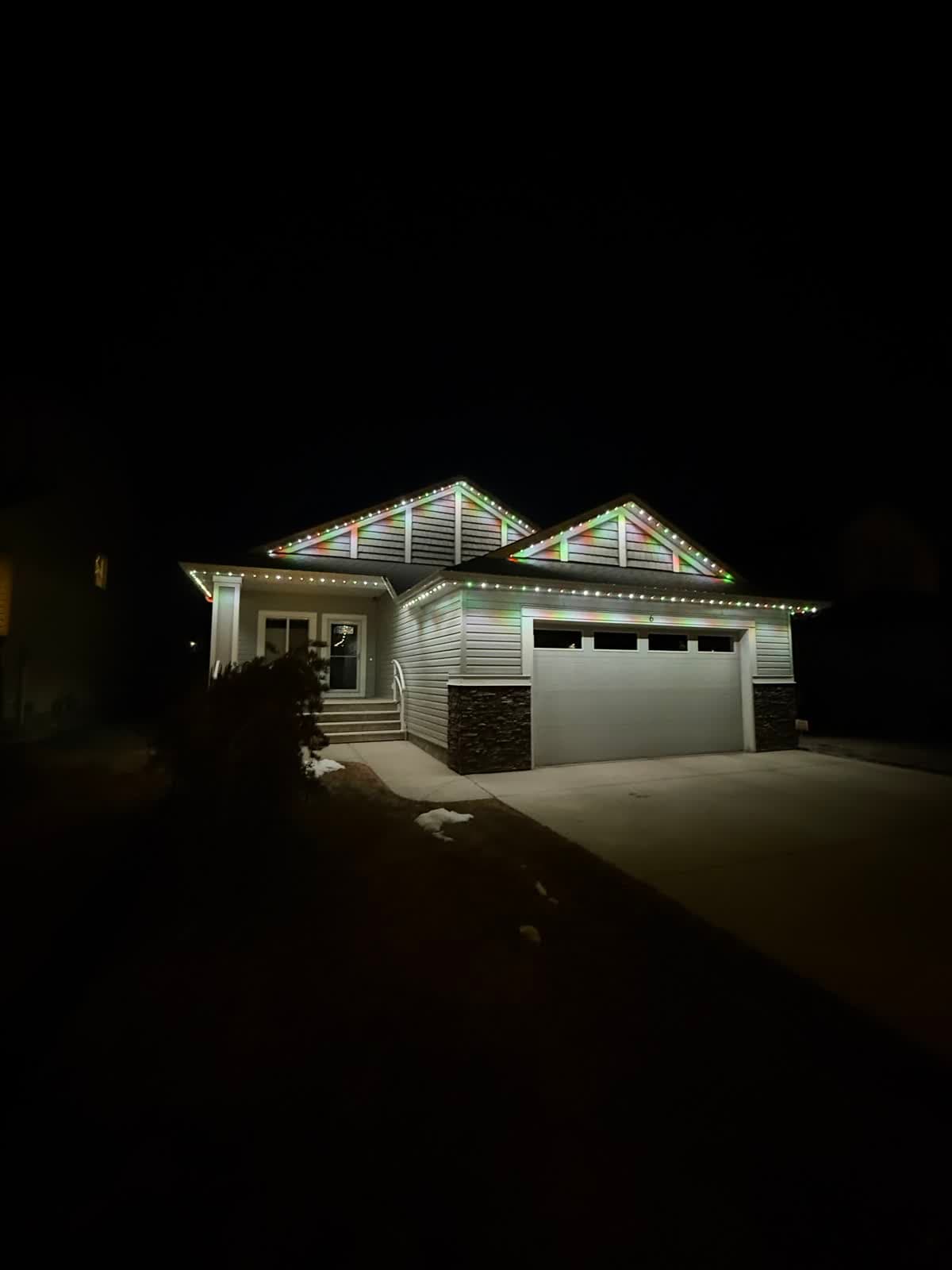 From our gallery
Many permanent lighting quotes look similar until something changes. A part needs replacing. A controller update rolls out. A scene does not behave the way it should. That is when the difference between a full ecosystem and a pile of generic parts becomes obvious.
The GOULY platform is not just an app attached to some lights. It is an integrated system where the controllers, LED modules, track, firmware, and mobile app are designed to work together as one complete product. That is what makes a real permanent LED ecosystem different from a mix-and-match install. It is also backed by 15+ years in business and platform refinement since 2011.
This guide explains why an integrated LED lighting system matters, what homeowners gain from a permanent outdoor lights app connected to matched hardware, and why a one stop LED supplier can create a smoother long term ownership experience.
What the GOULY ecosystem actually means
An ecosystem means the key parts of the system were built to cooperate, not forced to cooperate after the fact.
In GOULY’s case, that includes:
- the controller hardware
- the LED modules
- the Hat Track
- the firmware logic
- the mobile app
- the support path behind all of it
That matters because every one of those layers affects the homeowner experience. If one part is generic and another part is specialized, the system can become harder to troubleshoot, update, or support over time.
Why a one-supplier system is different
With a one stop LED supplier, the hardware and software are not coming from disconnected sources with different priorities.
That changes the way the system behaves in real life:
- updates are more predictable
- scenes are built around the actual hardware
- replacements are easier to match
- diagnostics make more sense
- support conversations are simpler
That is a major reason a permanent outdoor lighting system feels smoother to use when it was designed as one platform instead of assembled from unrelated parts.
Full ecosystem vs mix-and-match setup
| Feature | Many Competitors | GOULY Gen 3 |
|---|---|---|
| Feature | Typical mix-and-match setup | ✓GOULY ecosystem |
| Years in business | Varies by vendor | ✓15+ years in business |
| Controller and app relationship | Different vendors or compatibility layers | ✓Designed together |
| Firmware updates | Less predictable | ✓Built around the same hardware platform |
| Replacement parts | Can vary by supplier or generation | ✓Matched to the same ecosystem |
| Diagnostics | Can be limited or inconsistent | ✓More predictable system-level behavior |
| Support path | Multiple vendors, unclear responsibility | ✓One supplier path for parts and support |
| Long-term ownership | More compatibility risk | ✓Cleaner integrated experience |
The more layers a system has from different sources, the more likely it is that responsibility gets blurred later. The tighter the ecosystem, the easier the system is to understand and support.
Why integrated app control matters
The mobile app is not just a convenience feature. In a real ecosystem, the app is part of how the hardware was meant to be used.
That means the app can be designed around:
- the real light behavior of the system
- the actual controller logic
- the scene library the hardware supports
- diagnostics that match the install
- updates that were built for that exact hardware path
That is one of the biggest advantages of a smart outdoor lighting controller paired with the same ecosystem that created the app interface.
Controller / App
Switch patterns in the comfort of your home
Every scene, colour, and schedule runs from your phone, no clips, no climbing.
Most-used scenes
Try the live preview
See colours and patterns before you commit.
When the app and the hardware were designed together, the homeowner experience usually feels much more coherent.
Why scenes, patterns, and controls stay more consistent
One of the hidden frustrations in generic systems is inconsistency. A feature exists in one controller version but not another. A replacement part behaves differently. A pattern looks different because the hardware path changed.
A true integrated LED lighting system avoids more of those problems because the ecosystem is being developed as one coordinated platform.
That helps with:
- more predictable scenes
- better consistency between installs
- less guesswork after part replacement
- cleaner control logic across the app
- fewer compatibility surprises
For homeowners, that means the system feels less like a collection of features and more like one complete product.
Why support is easier when the ecosystem is unified
Support gets harder every time responsibility is split.
If the app comes from one place, the controller from another, and the LED hardware from somewhere else, homeowners can get stuck between suppliers when they need help. That is one of the most overlooked advantages of a real ecosystem.
With a unified GOULY system, the support conversation can stay centered on one platform:
- one product path
- one parts path
- one update path
- one support story
That can save time and frustration when the homeowner needs answers quickly.
Why long-term ownership matters more than launch-day features
A lot of systems can look good at installation. The more important question is how they behave over years of use.
The value of an integrated ecosystem usually becomes clearer later:
- when a part needs to be replaced
- when firmware evolves
- when the homeowner wants new scenes
- when support is needed
- when consistency across the system matters more than a brochure
That is why a permanent LED ecosystem is not only a selling point. It is an ownership strategy.
What to ask before you buy
If you are comparing systems, ask these questions:
- Are the app, controller, and hardware from the same ecosystem?
- Who provides updates when software changes?
- If a part needs replacement later, how easily can it be matched?
- Who handles support when the app and hardware disagree?
- Is the scene library designed around the actual installed hardware?
- Is there one clear supplier path for diagnostics and service?
If the answers are unclear, the system may be more fragmented than it first appears.
The bottom line on the GOULY ecosystem
The GOULY platform stands out because it is a real permanent LED ecosystem, not just an app plus some lights. Controllers, LED modules, Hat Track, firmware, and the app are all part of the same product strategy.
That gives homeowners a more predictable, supportable, and integrated ownership experience. When the system is designed together, updates make more sense, support is clearer, and the whole install feels more complete for years instead of only on day one.
For the bigger picture, explore The System, open the full GOULY ecosystem guide, or try the live GOULY app preview.
Frequently asked questions
It includes the controller hardware, LED modules, Hat Track, firmware logic, mobile app, and the support path built around the same platform.
A one-supplier system usually creates fewer compatibility issues, more predictable updates, clearer diagnostics, and a simpler support path over time.
When the app and hardware are designed together, scenes, controls, and diagnostics usually feel more consistent and more reliable than in a mix-and-match setup.
Yes. A unified ecosystem generally makes it easier to match parts and keep the system behaving predictably after replacements or updates.
The main risks are unclear support responsibility, compatibility gaps, inconsistent behavior after updates, and more guesswork if something needs service later.
Questions before you book?
Visit our FAQ page
Get quick answers on Gen 3 Lighting, pricing, install timelines, app setup, warranty, and what to expect on install day.