Why singular LED modules and replaceable LED modules are easier to own long term: single node replacement, IP68 protection, waterproof LED connectors,
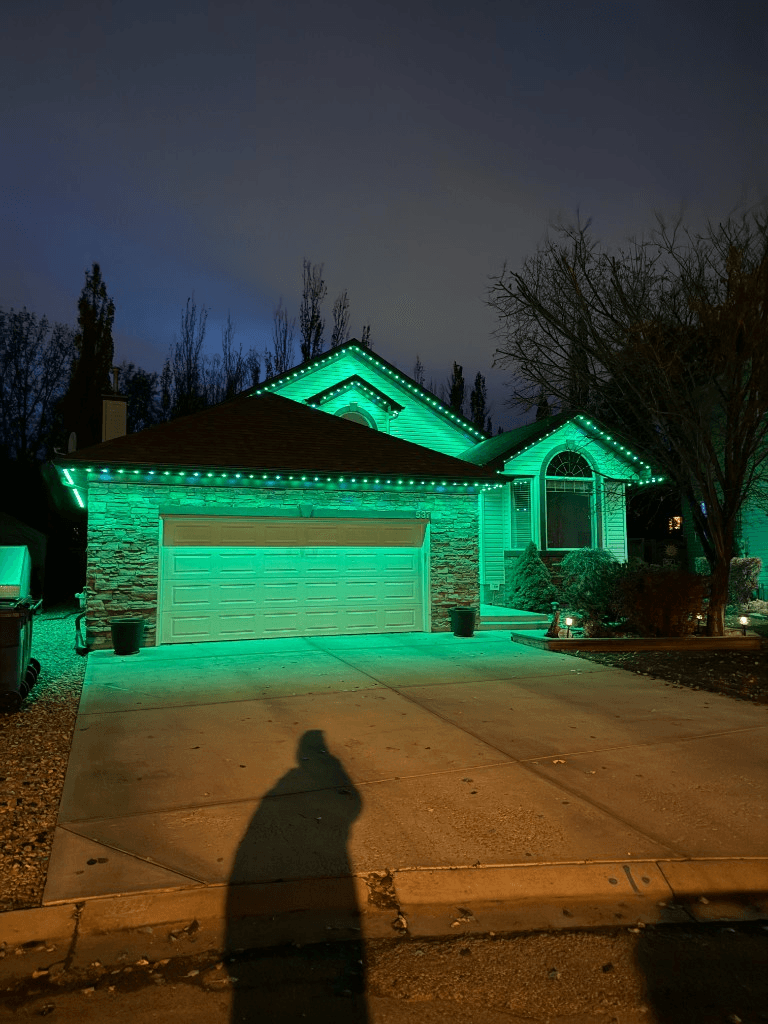 From our gallery
Most permanent lighting systems look similar from the street. The real difference shows up later, when one light fails and you find out whether the system was built to be serviced or built to be replaced in large sections. For a quick answer, see our FAQ: What happens if a permanent light goes out?
That is why singular LED modules matter. Instead of treating the whole run like a disposable string, a modular system treats each light as its own service point. That changes maintenance, troubleshooting, long term cost, and how much disruption is required when something eventually needs attention.
This guide explains how replaceable LED modules work, why single node replacement is better than rebuilding sections of a string, and what homeowners should know about individually addressable LEDs, waterproof LED connectors, and long term serviceability.
What singular LED modules and replaceable LED modules actually are
In a modular permanent lighting system, each light is its own independent module. It is not one tiny piece of a throwaway chain that only works as part of a larger sealed run.
That means a serviceable LED module can be:
- individually identified
- individually tested
- individually replaced
- individually controlled in the app
This is a major upgrade over traditional string-style systems where one issue can force a repair strategy that is far bigger than the original problem.
Why replaceable LED modules matter to homeowners
The biggest advantage is simple: if one module develops an issue, you replace one module.
You are not tearing out 10, 20, or 48 feet of lighting just to fix a single point. That is why replaceable pixel lights change the ownership experience so much. The repair becomes smaller, faster, and more affordable.
For homeowners, that usually means:
- lower lifetime maintenance cost
- less ladder time
- less disruption to the roofline
- easier future upgrades
- less worry about a full section being rebuilt for one bad node
That is the difference between a system designed for long term ownership and one designed to be consumed in chunks.
Singular LED modules vs string sections
The easiest way to understand the difference is to compare how a typical string based system behaves against a singular module system when something goes wrong.
| Feature | Many Competitors | GOULY Gen 3 |
|---|---|---|
| Feature | Typical competitor string sections | ✓GOULY Singular LEDs |
| Number of LEDs per replaceable section | 5 / 10 / 24 / 48 | ✓1 |
| Replaceability | Difficult | ✓Easy |
| Time to replace one failed point | 1 to 2 hours | ✓About 2 minutes |
| Controllability | Batch or section control | ✓Single node control |
| Splice requirements | Yes, exposed wire | ✓No |
| Failure impact | One issue can force a larger section repair | ✓Usually isolated to one module |
| LED purchase cost | ✓Lower upfront | Higher upfront |
| Long term maintenance cost | Higher | ✓Low |
| Replacement labour fee | Super high | ✓Low |
The lower upfront hardware price on string sections can look attractive at first, but the service cost profile is usually much worse over time. When one issue can force a larger section replacement, the labour side becomes the real expense.
What single node replacement looks like in practice on replaceable outdoor LED nodes
A proper single node replacement system is designed so the individual module can unclip and a new one can clip back in without major disassembly.
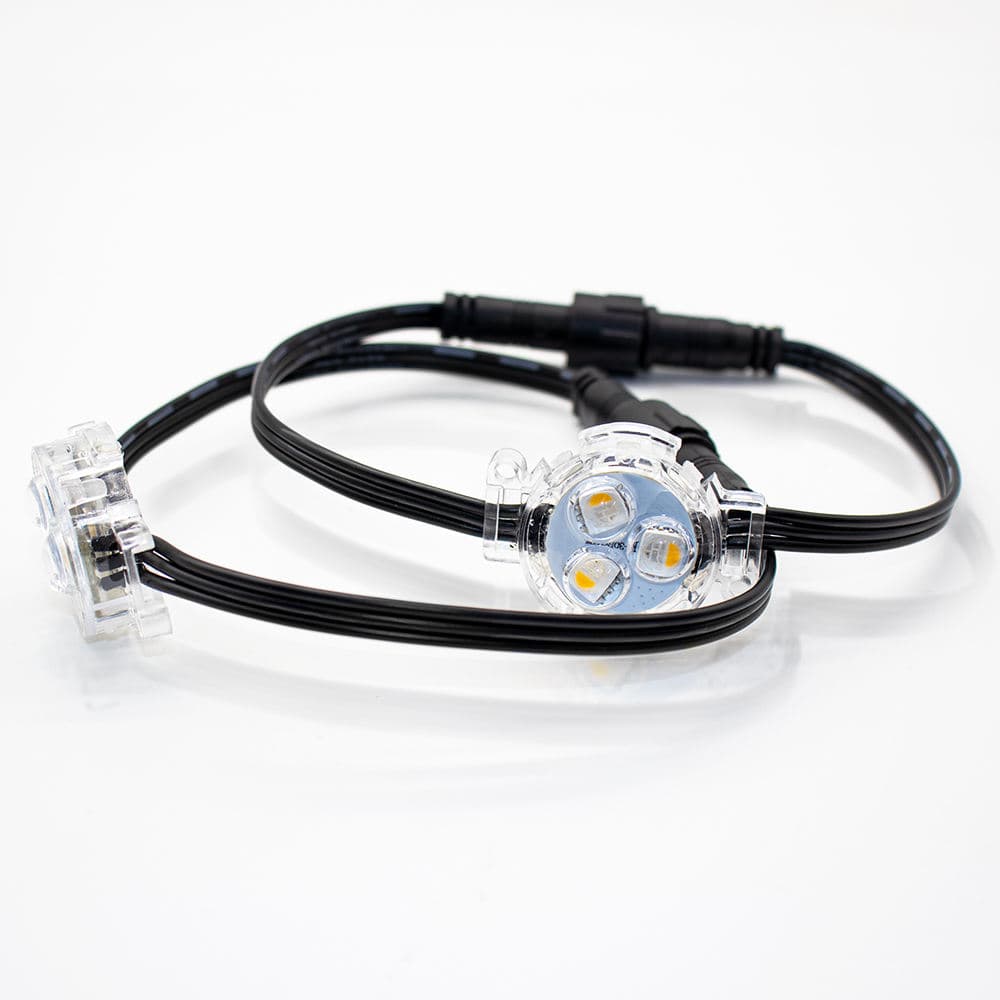
On a well designed install, the failed light is isolated, removed, and replaced as a single service point. That is better for the homeowner and better for the technician. You are solving the actual issue instead of rebuilding a section that still had plenty of life left in it.
This is especially important on homes with long runs, steep sections, or multiple gables where unnecessary replacement work becomes more expensive very quickly.
Why modular outdoor LEDs and serviceable LED modules are easier to service
Permanent lighting should be designed with future service in mind. That does not mean expecting failure. It means respecting the fact that any outdoor system eventually needs maintenance, testing, or replacement somewhere in its life.
A modular outdoor LED system is easier to service because it breaks the run into manageable points instead of treating everything as one fragile dependency chain.
That improves:
- diagnostics
- repair speed
- replacement cost
- inventory management
- long term confidence for the homeowner
For installers, it also means you can troubleshoot while still on the ladder instead of escalating a simple issue into a larger rebuild.
Why IP68 rating still matters at the replaceable module level
Serviceability only helps if the hardware is durable too. A replaceable module should still be built for real outdoor conditions, not just for easy swapping.
That is why IP68 LED modules matter. A proper module needs protection against dust, heavy rain, snow, ice buildup, and moisture that shows up during thaw cycles.
In Alberta, that matters because the environment is not static. The issue is not just winter. It is repeated swings between cold, melt, moisture, and refreeze. A module that handles all of that at the individual node level is far more trustworthy than one that only sounds good on a product sheet.
Why waterproof LED connectors and O-ring sealed LED modules matter
Most outdoor failures start at the connection point, not in the marketing copy.
That is why waterproof LED connectors and O-ring sealed LED modules are worth asking about directly. A sealed connector system helps prevent water intrusion where modules join together and where a run is most vulnerable.
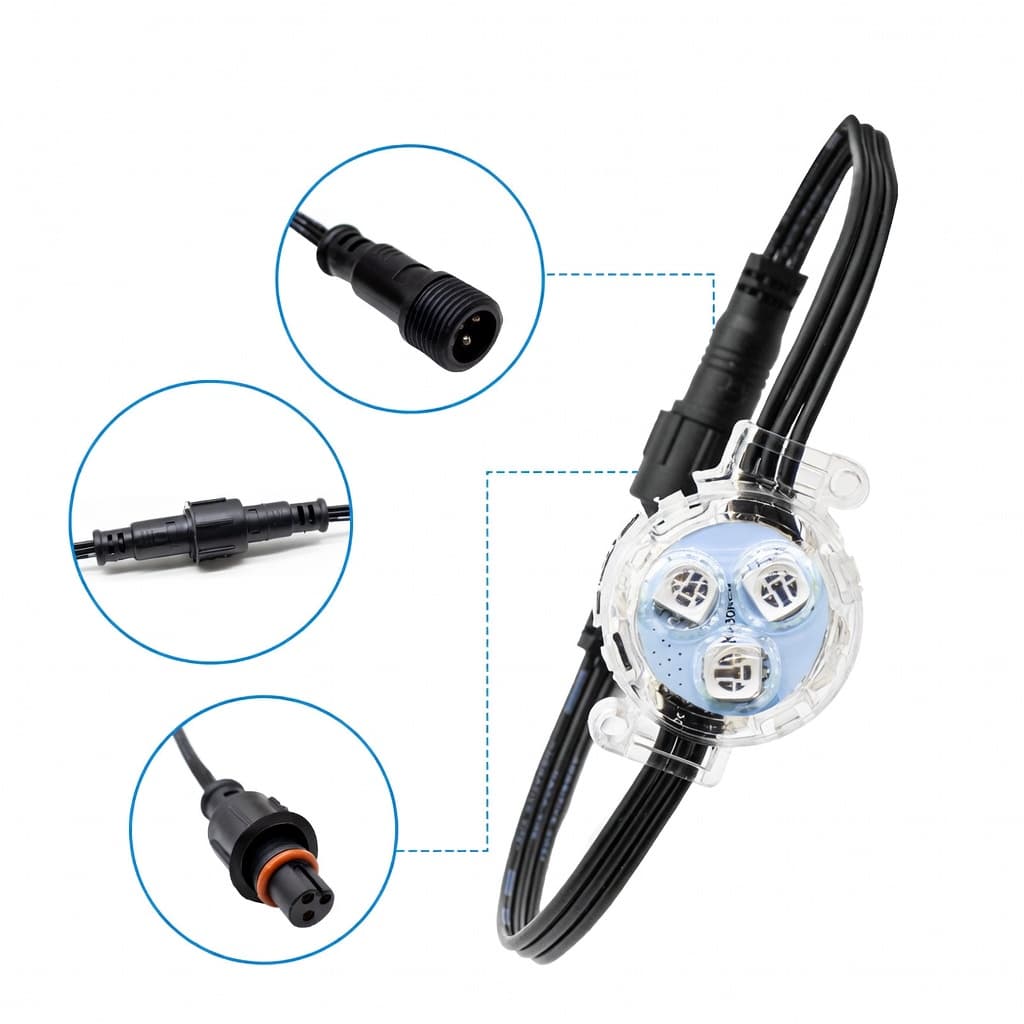
This matters because connectors face:
- moisture
- dust
- expansion and contraction
- movement during installation and service
- repeated freeze thaw cycles
If the connector design is weak, the whole serviceable-module story starts to fall apart. If the connector is strong, the modular approach becomes much more reliable over the life of the system.
Why individually addressable LEDs are not just for flashy effects
One of the best parts of individually addressable LEDs is that they improve both creativity and troubleshooting.
Yes, pixel level control means smoother scenes, better animations, custom sections, and more detailed lighting effects. But it also means you can identify and isolate specific modules in the app without affecting the rest of the run.
That helps with:
- locating a specific problem module
- testing one point without guessing
- building more detailed custom scenes
- creating cleaner transitions across the house
In other words, app control is not only about color. It is also part of how the system becomes easier to manage and easier to service.
What to ask before you buy
If you are comparing systems, ask these questions:
- Are these replaceable outdoor LED nodes or sealed string sections?
- If one node fails, what exactly has to be replaced?
- How long does a normal module replacement take?
- Are the modules IP68 rated?
- Are the connections threaded or otherwise sealed for moisture?
- Is there an O-ring or equivalent waterproof sealing system?
- Can the app identify or test individual modules?
A professional installer should be able to answer every one of these clearly.
The bottom line on singular LED modules
The value of individually replaceable LED modules is not just technical. It is practical. It means smaller repairs, better diagnostics, lower disruption, and a system that is easier to own for years.
That is why modular nodes are one of the most important differences between a premium permanent lighting platform and a disposable string mindset. When the system is built around individual service points, homeowners get a cleaner long term experience instead of a bigger repair every time a small issue appears.
For the bigger picture, explore The System, see the full Singular LED modules guide, or open the live GOULY app preview.
Frequently asked questions
They are individual permanent lighting modules that function as their own service points, so one light can be tested, controlled, and replaced without rebuilding a long string.
It reduces repair size, cost, and disruption. Instead of replacing a long section of lights for one problem, the installer can usually replace just the affected module.
Yes. A serviceable module still needs strong outdoor protection, which is why IP68 ratings and sealed connectors matter so much.
It helps keep moisture out at one of the most vulnerable points in the system: the connection between modules.
Yes. Because each module is individually addressable, the app can control specific nodes for detailed effects, custom sections, and easier troubleshooting.
Questions before you book?
Visit our FAQ page
Get quick answers on Gen 3 Lighting, pricing, install timelines, app setup, warranty, and what to expect on install day.