 From our gallery
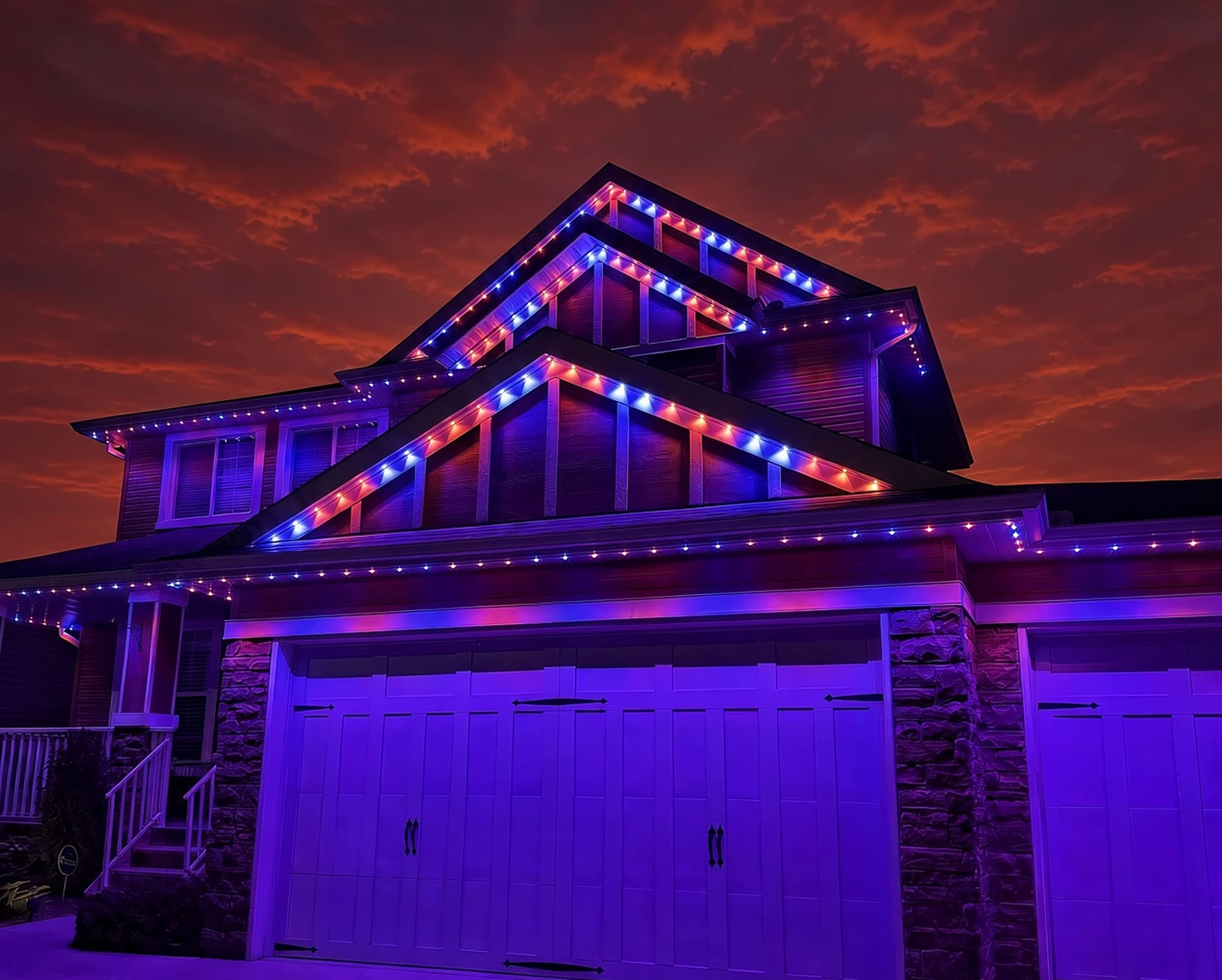
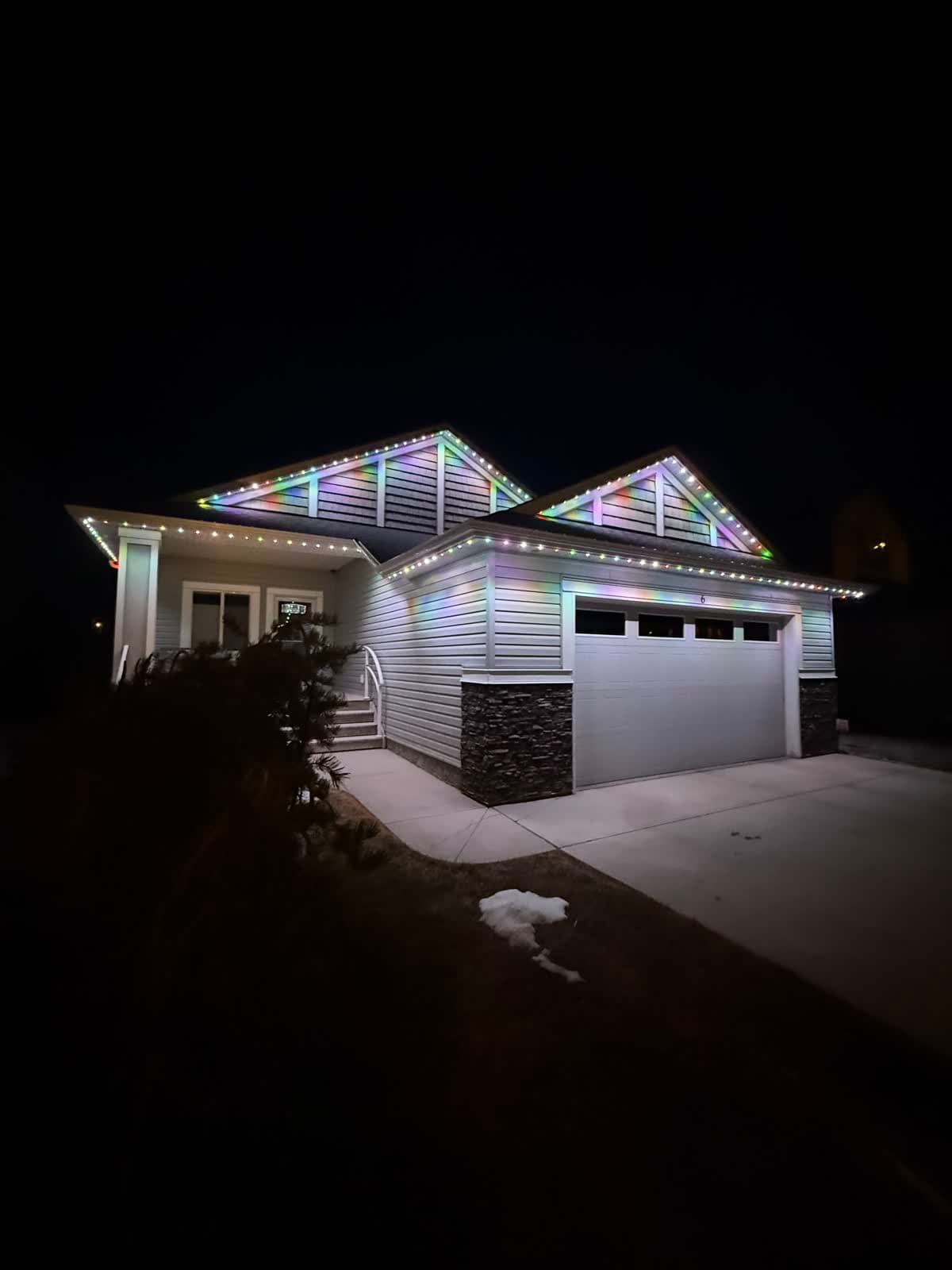
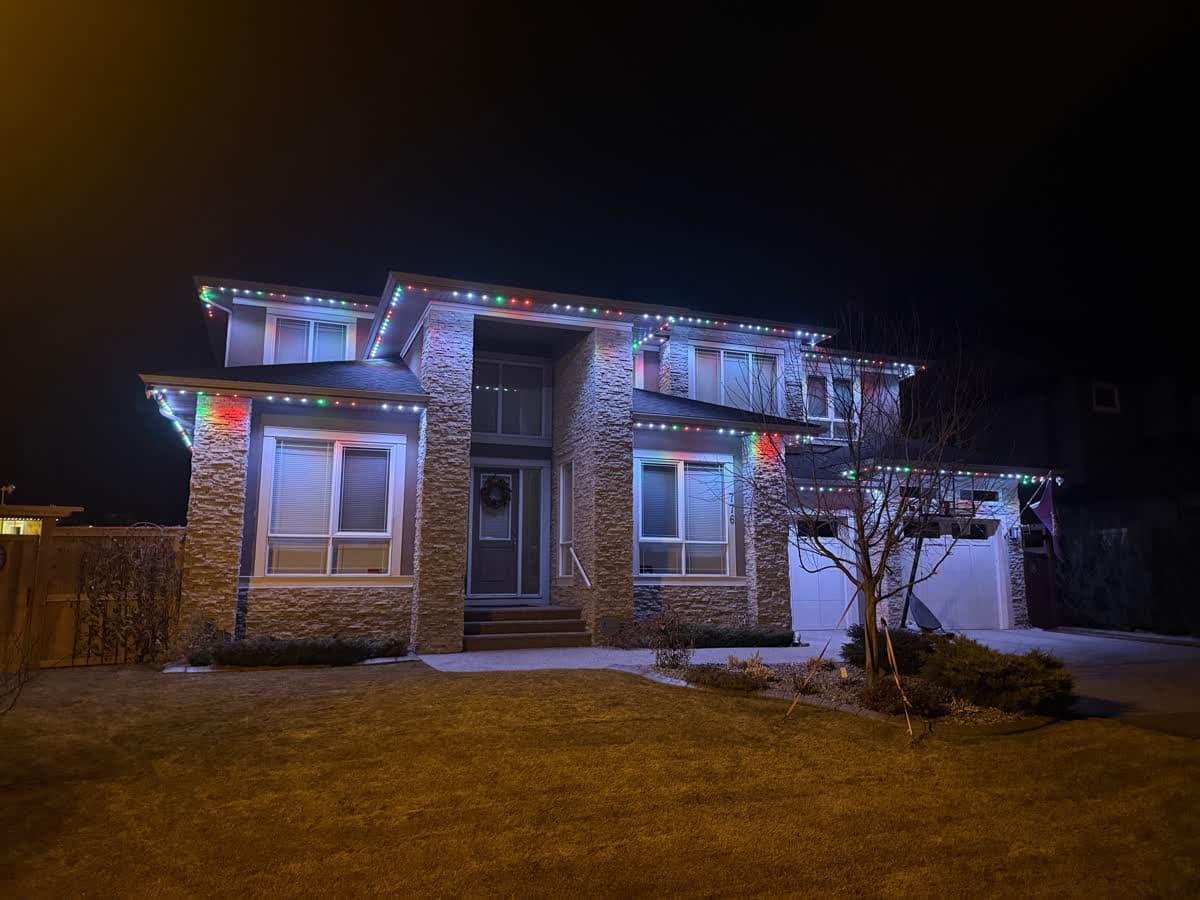
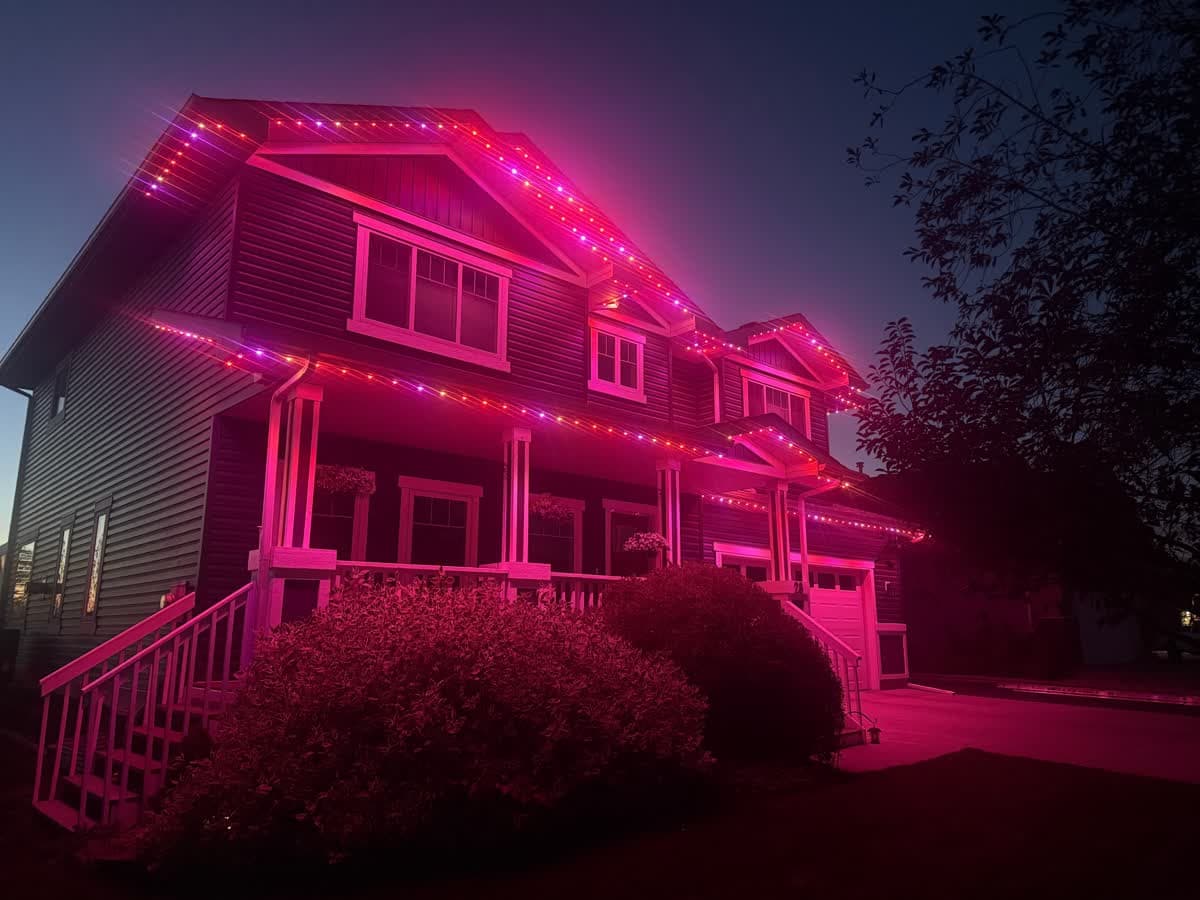
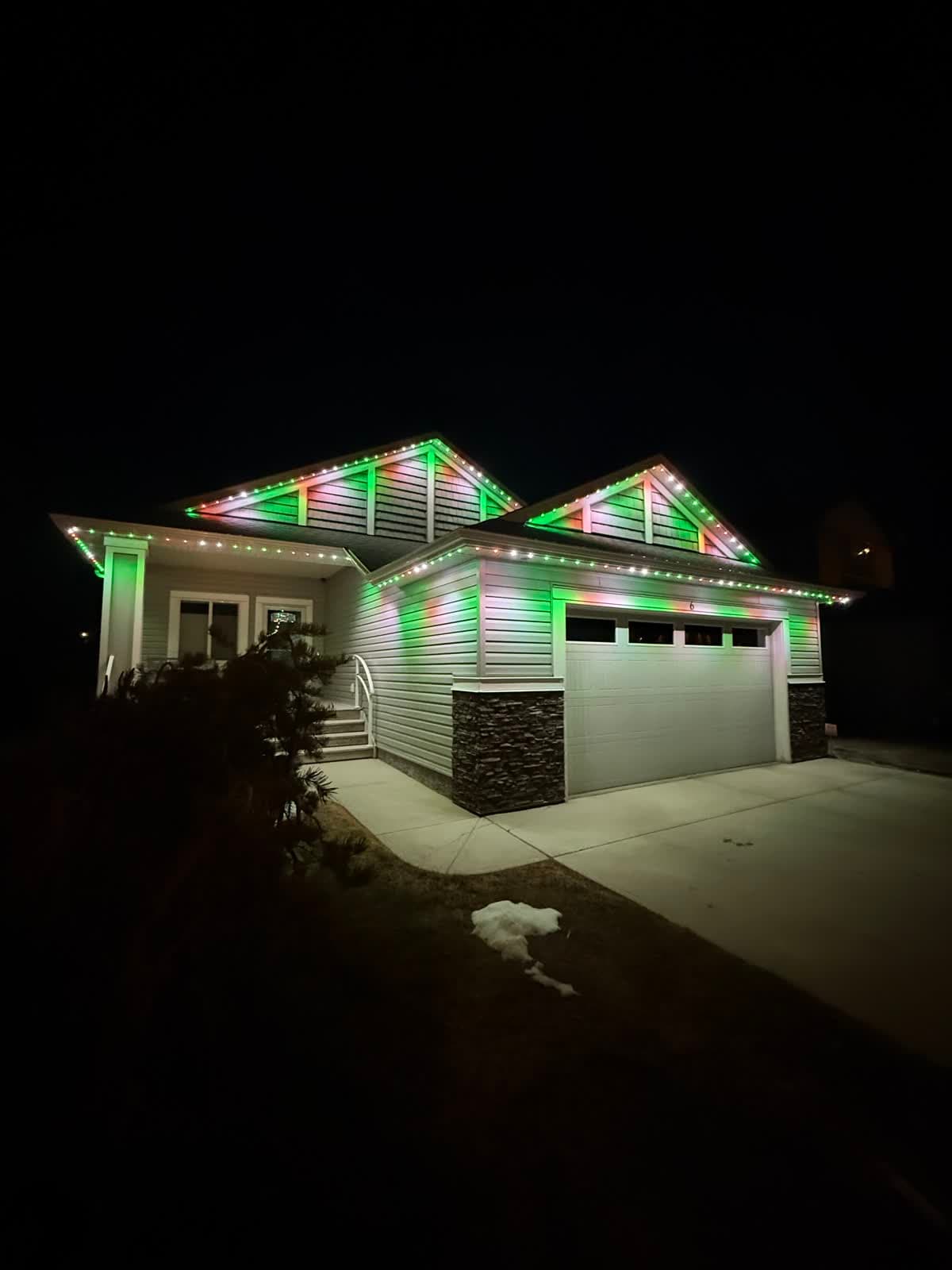
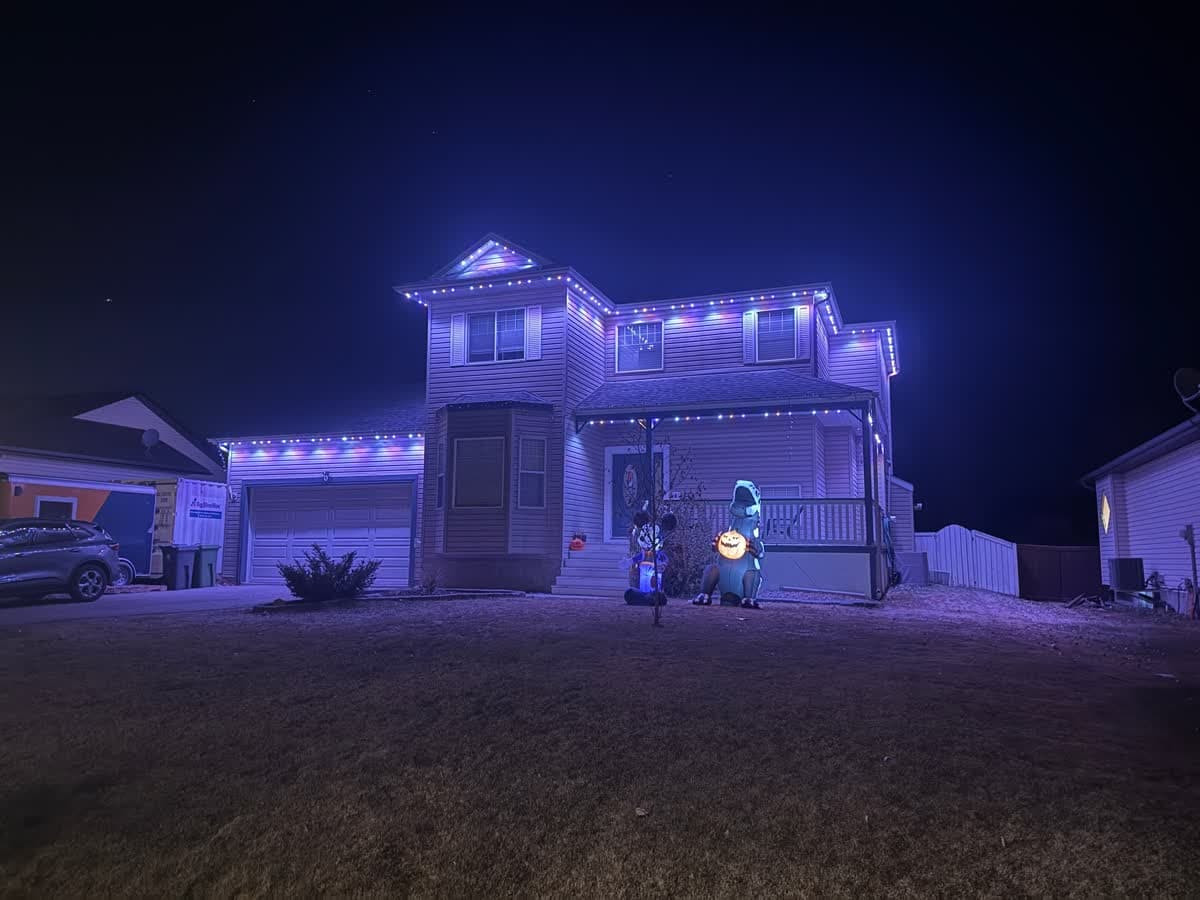
This is a handful of the homes we lit up in 2026, across the Calgary area and Lake Charles. Some were new installs from scratch. A surprising number were not: they were homes where another company had already been out, taken a deposit, and left something half-finished or unsafe behind.
That second group has become a real part of what we do, so this is worth writing down. Below are the lessons from this year, and what we would tell any homeowner before they sign with anybody, including us.
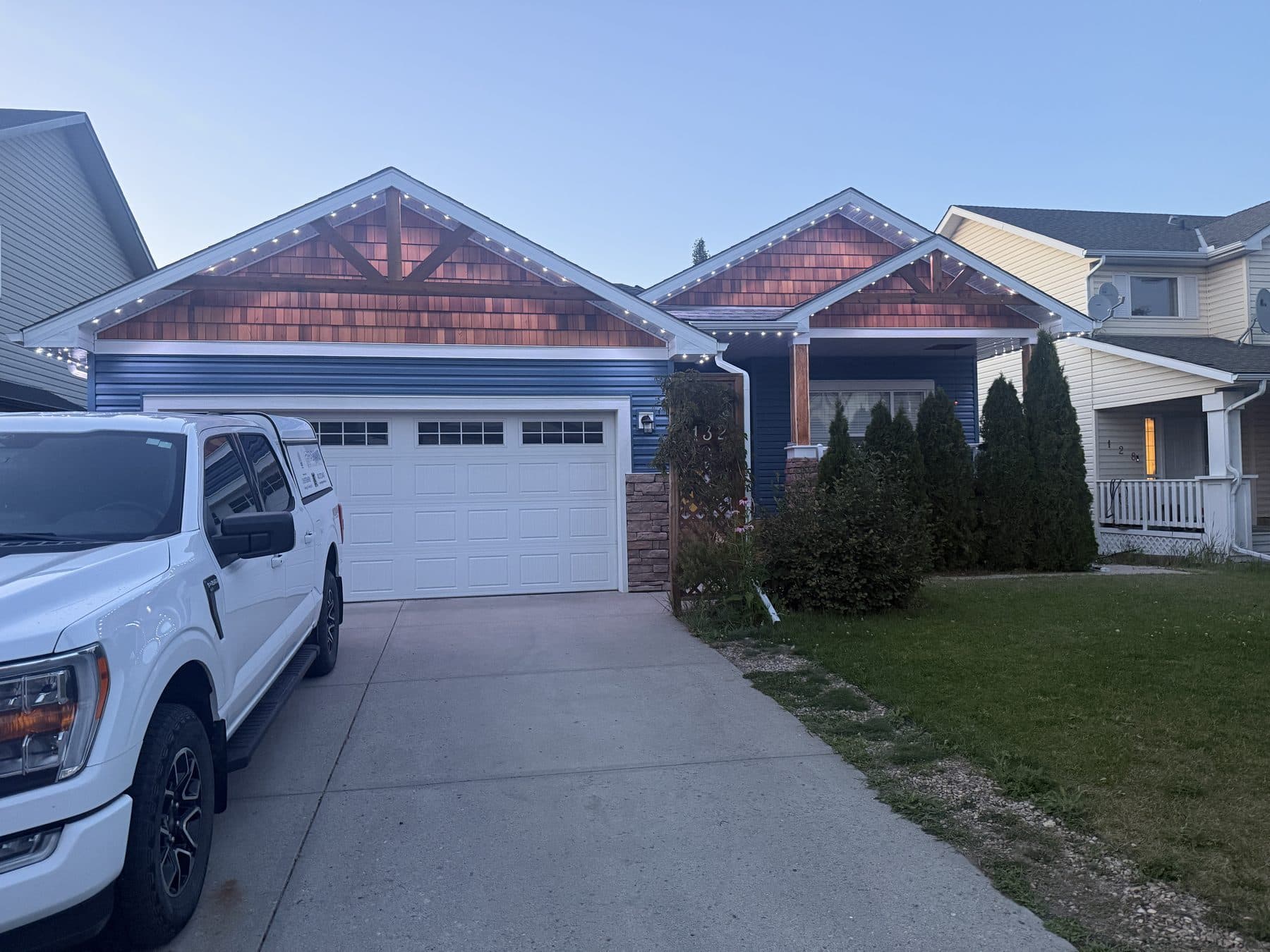
The pattern we keep running into
It usually starts the same way. Someone knocks on the door in spring with a good price. A crew shows up, runs lights along the front of the house, and leaves. Then the gables never get finished, the app never quite works, or the control box turns out not to be something an electrical inspector will sign off on. By the time the homeowner tries to follow up, the phone number does not connect to anyone.
We are not going to name companies. Some of them are still operating and some of them are gone, and either way the homeowner is left holding the same problem. What matters is the shape of it, because the shape repeats.
Lesson 1: the gables are where they quit
The front roofline is easy work off a short ladder. The gable peaks are not. They are high, they are awkward, and they take real time. So that is the part that gets skipped when a crew is rushing to the next deposit.
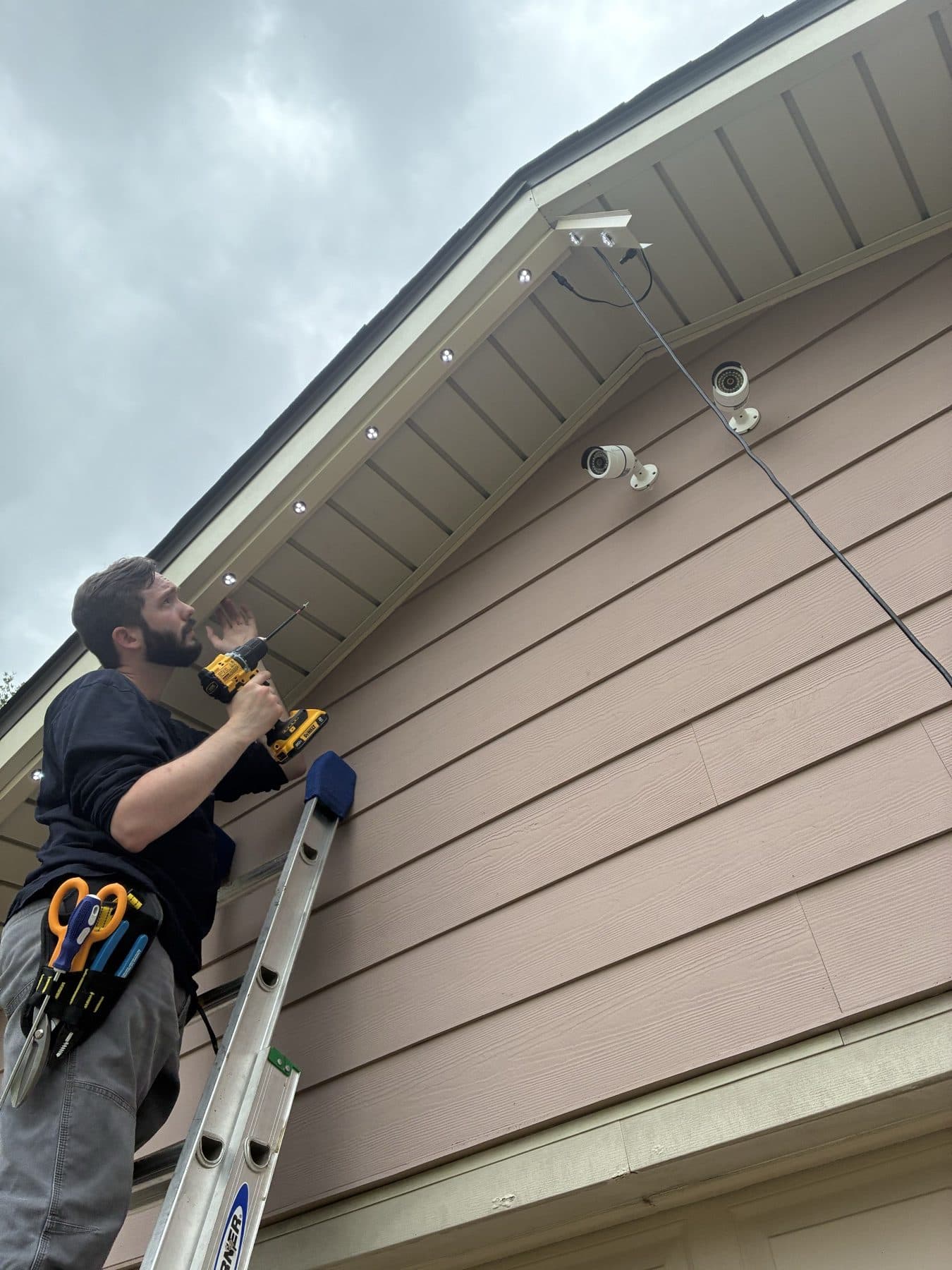
We had a homeowner this year whose original installer did the main floor in July and then simply never came back for the gables. She spent months trying to reach them. When we picked it up, finishing the peaks was most of a day's work, which tells you it was never impossible, just inconvenient.
If a quote covers "the front of the house," ask specifically whether that includes every gable and peak, and get it in writing. A roofline that stops halfway up looks worse than no lights at all.
Lesson 2: an uncertified control box will fail inspection
This is the expensive one, and it is the reason we now charge a small call-out fee just to come and assess somebody else's box before we quote anything.
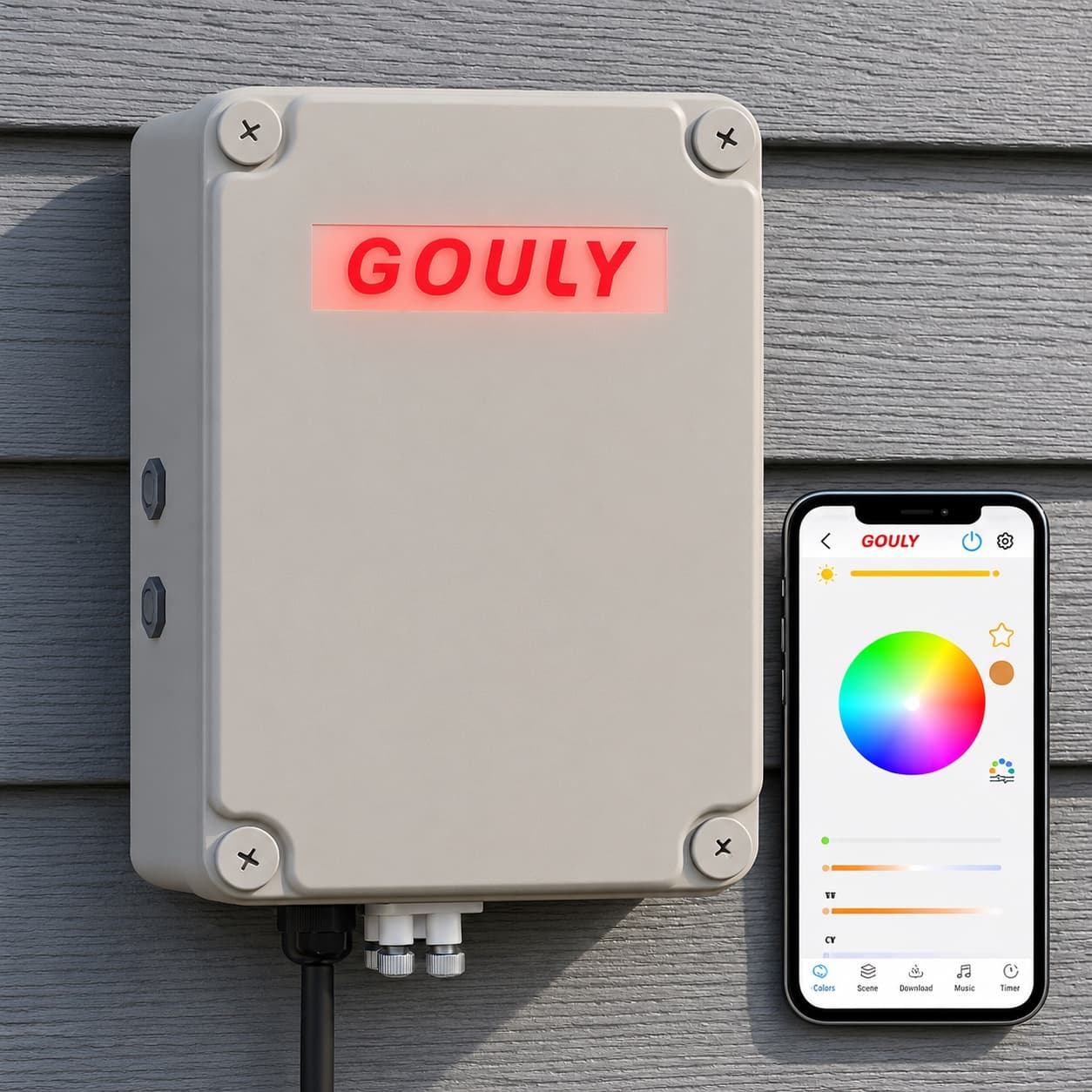
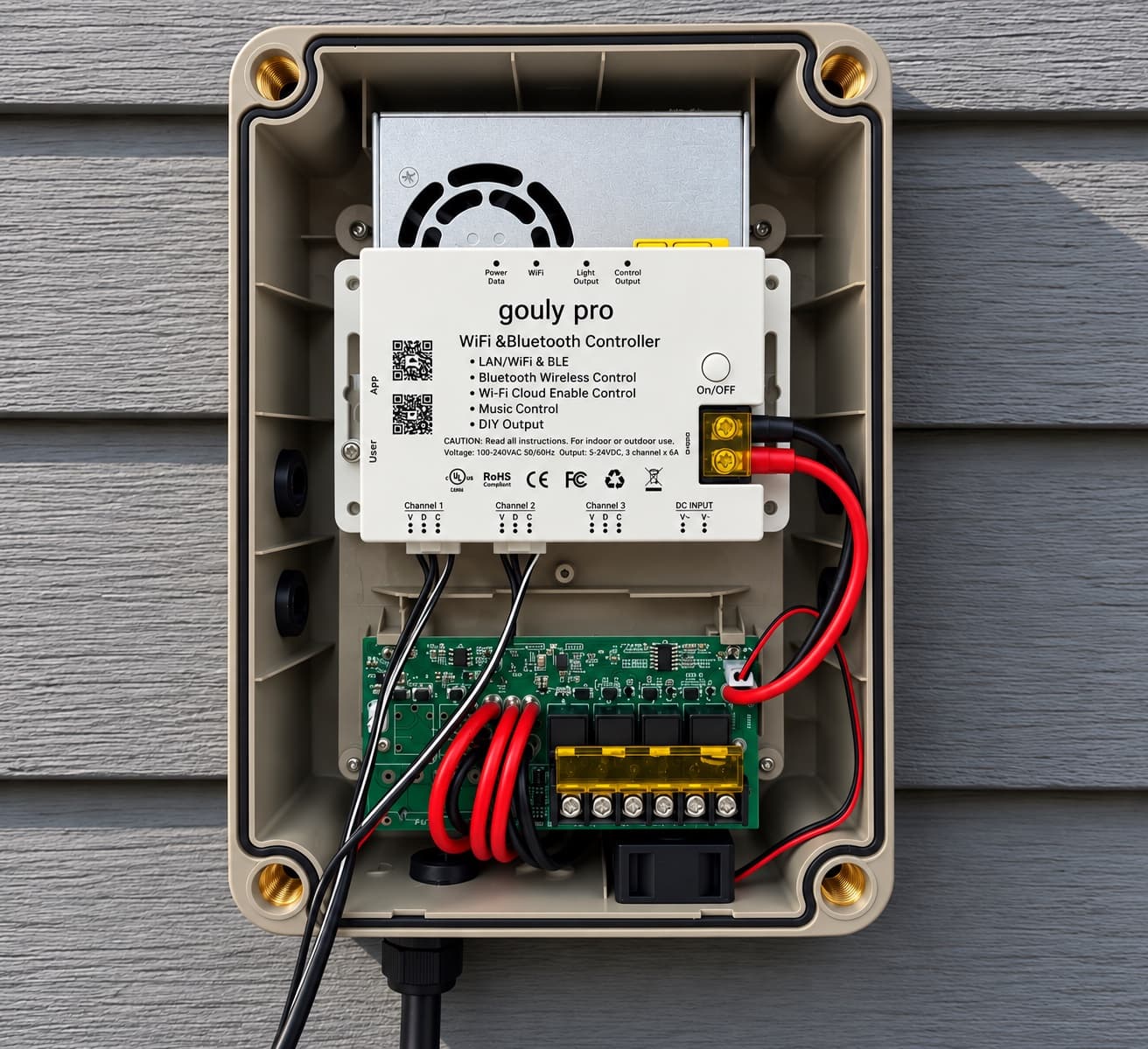
The controller is the only part of a permanent lighting system that is permanently wired into your house. That makes it the part an electrical inspector cares about. It needs to be certified for the job, and a lot of what gets installed is not.
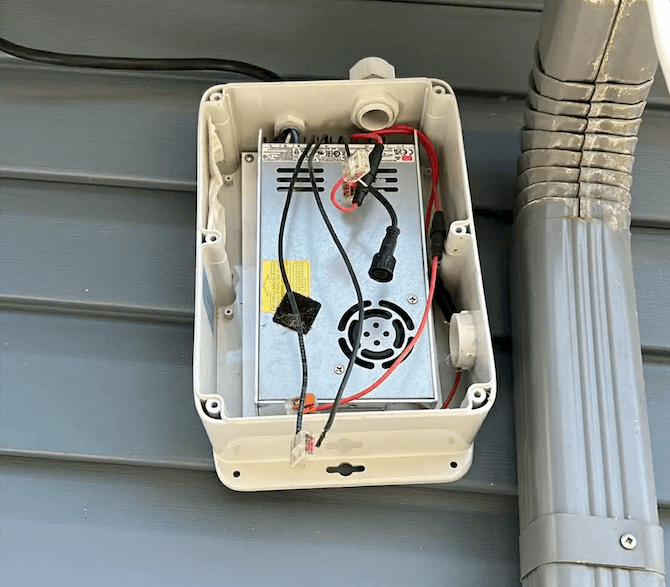
The box we install is C-UL listed under file E483482 and built to UL 2108 and CSA C22.2. That listing is not marketing language, it is the specific thing an inspector looks for on the label. A box without it can fail on the spot, and the fix is not a sticker. It is a replacement and, usually, a rewire.
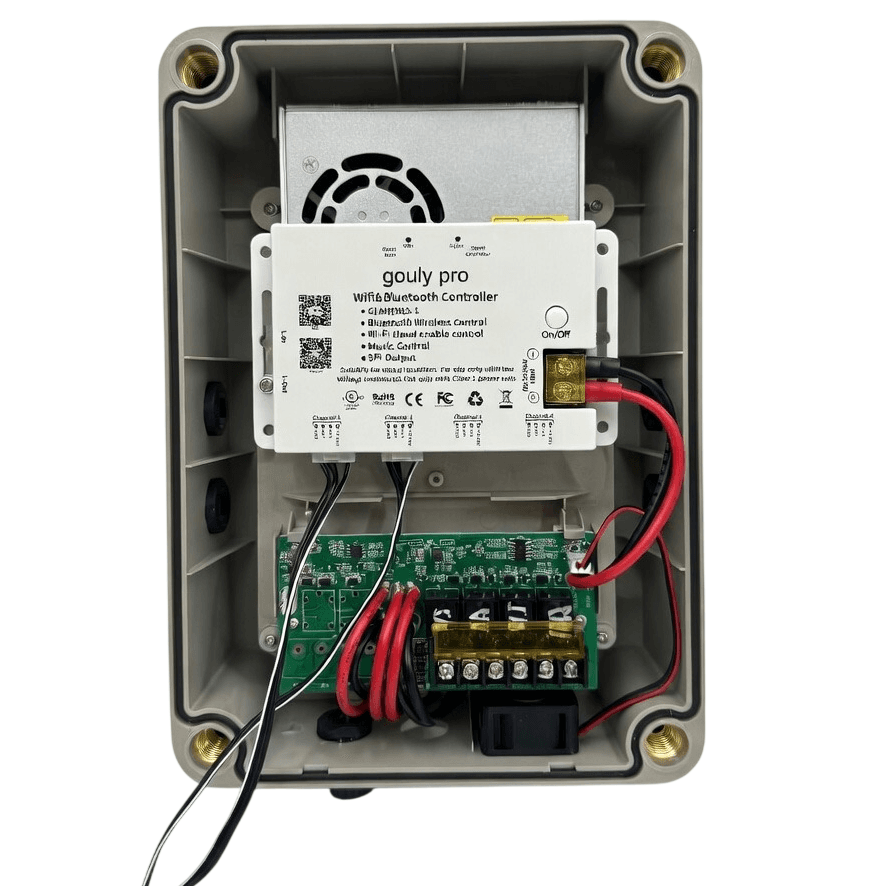
We have had to tell more than one homeowner this year that the box on their wall is not an authorized product and will not pass. Nobody enjoys that conversation. It is much cheaper to have it before the install than after.
Lesson 3: you inherit the wiring, not just the lights
When we take over a partial or failed install, the LED modules are rarely the problem. The wiring is. Runs get spliced in the wrong places, connections are left unsealed where water can reach them, and cable gets stapled straight to siding instead of concealed in track.
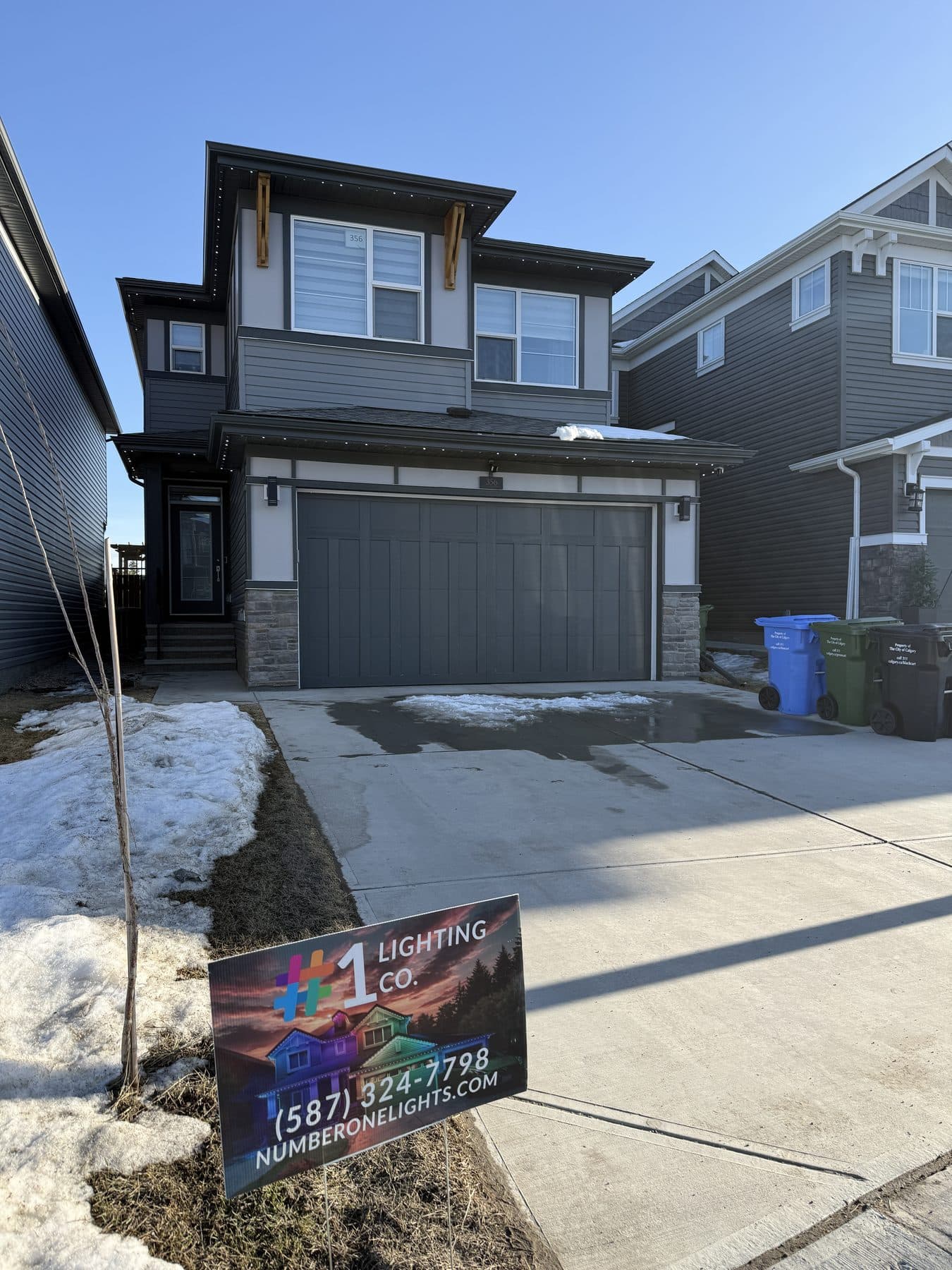
That is why our takeover jobs this year have usually been quoted as a complete removal of the old wiring and a fresh run, rather than a patch. It costs more up front than a splice and it is the only version that carries a warranty afterward.
Daylight is the test worth applying. Walk out to the curb at noon. If you can see cable, staples, or track that does not match the fascia, that is what you will be looking at for the next ten years.
Lesson 4: one install, many scenes
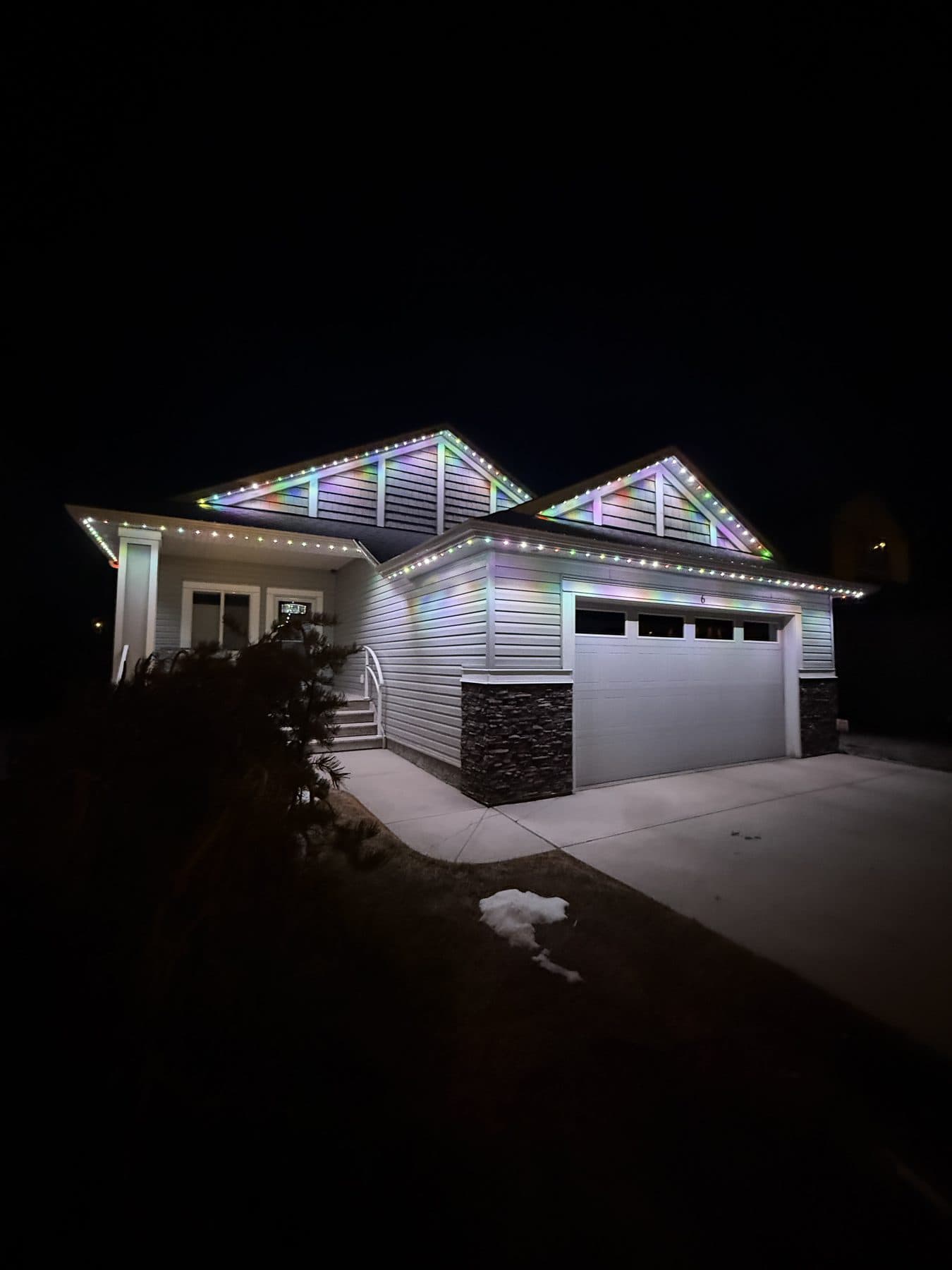
The reason to do this properly is that a permanent system is not a Christmas product. It is the same hardware doing warm white on an ordinary Tuesday, team colours on a game night, and something seasonal three times a year.
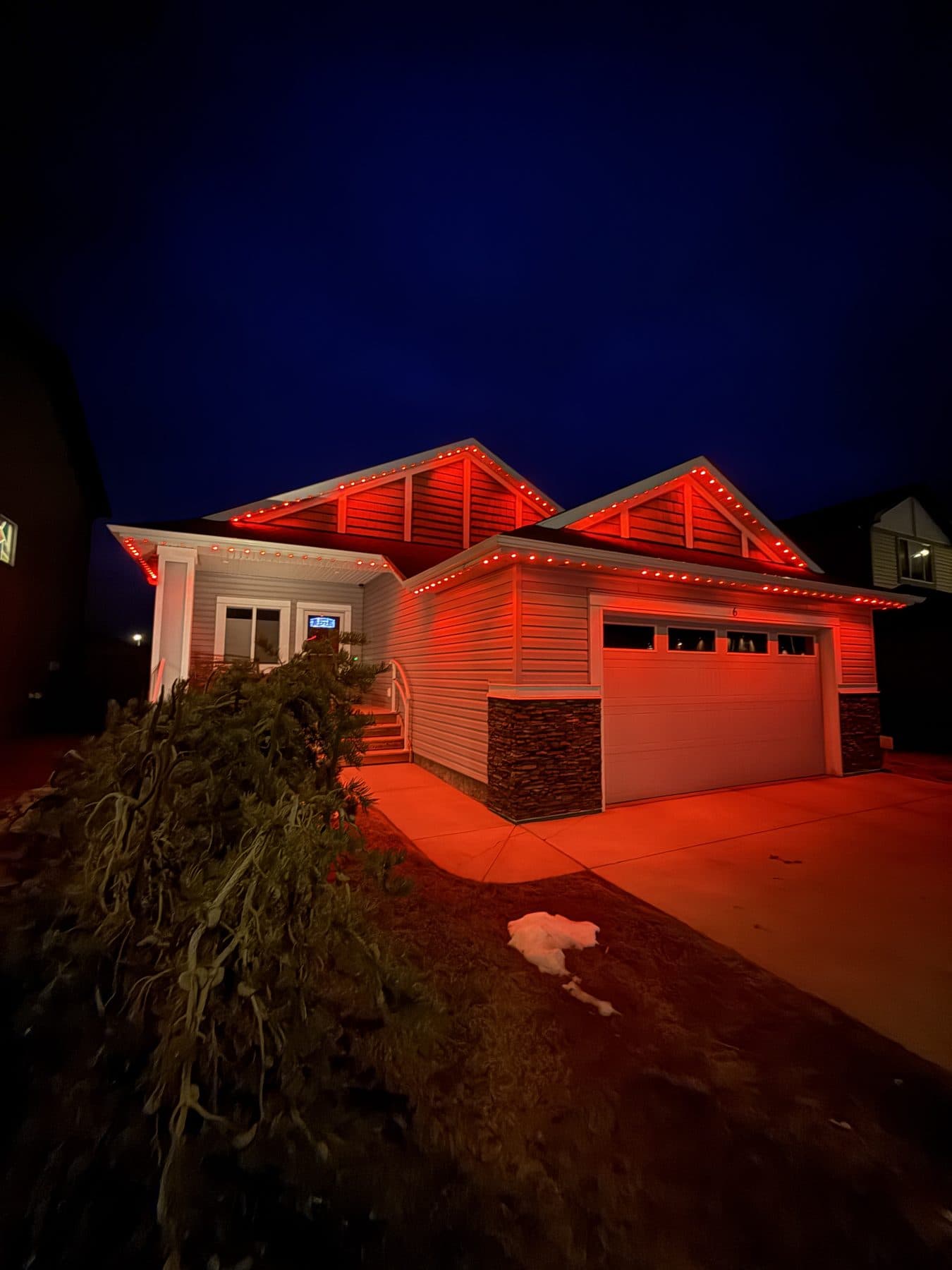
Same home, two different evenings:
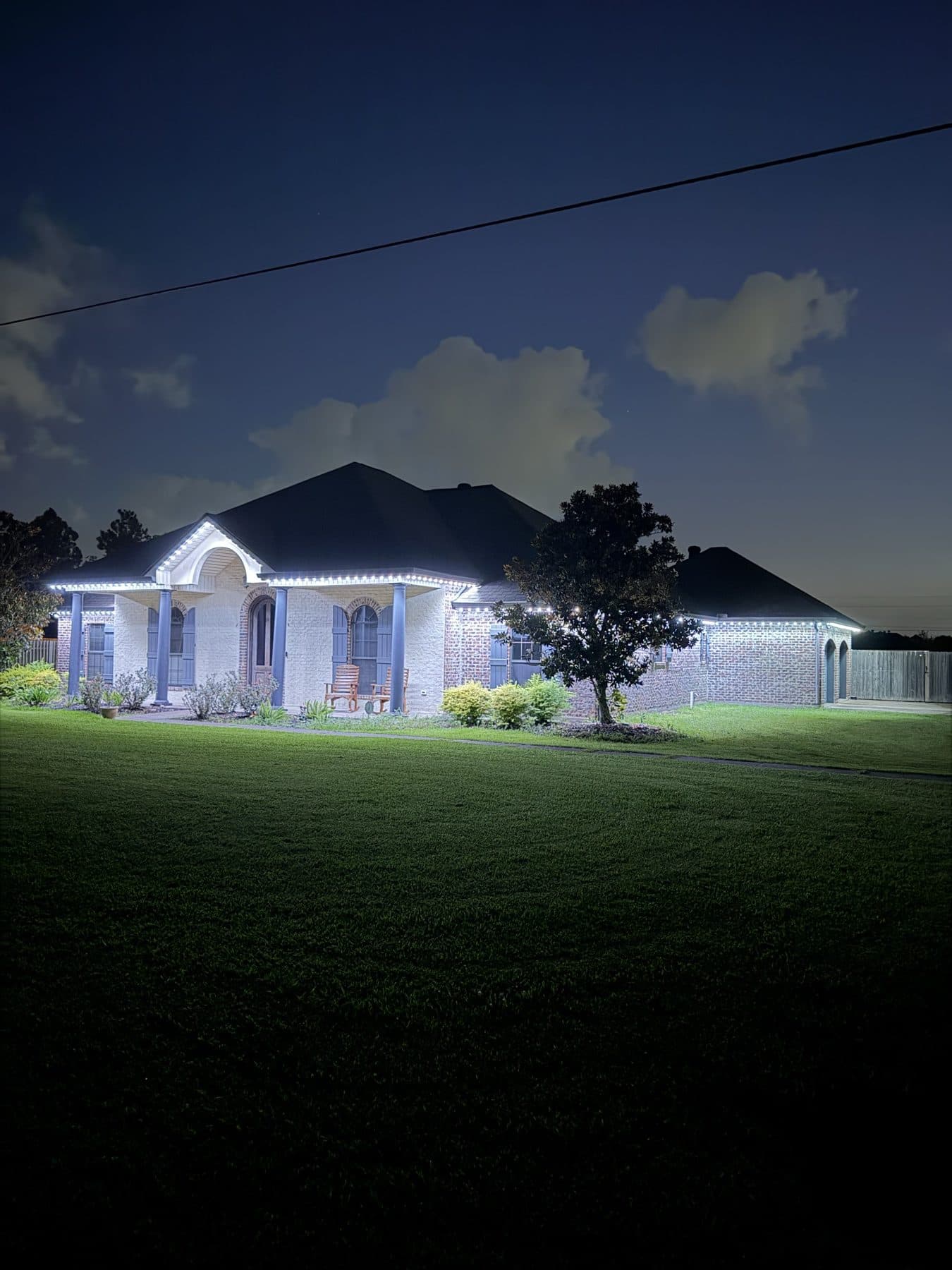
And the same again in Lake Charles, where the everyday setting does most of the work and the holiday scenes are the exception rather than the point:
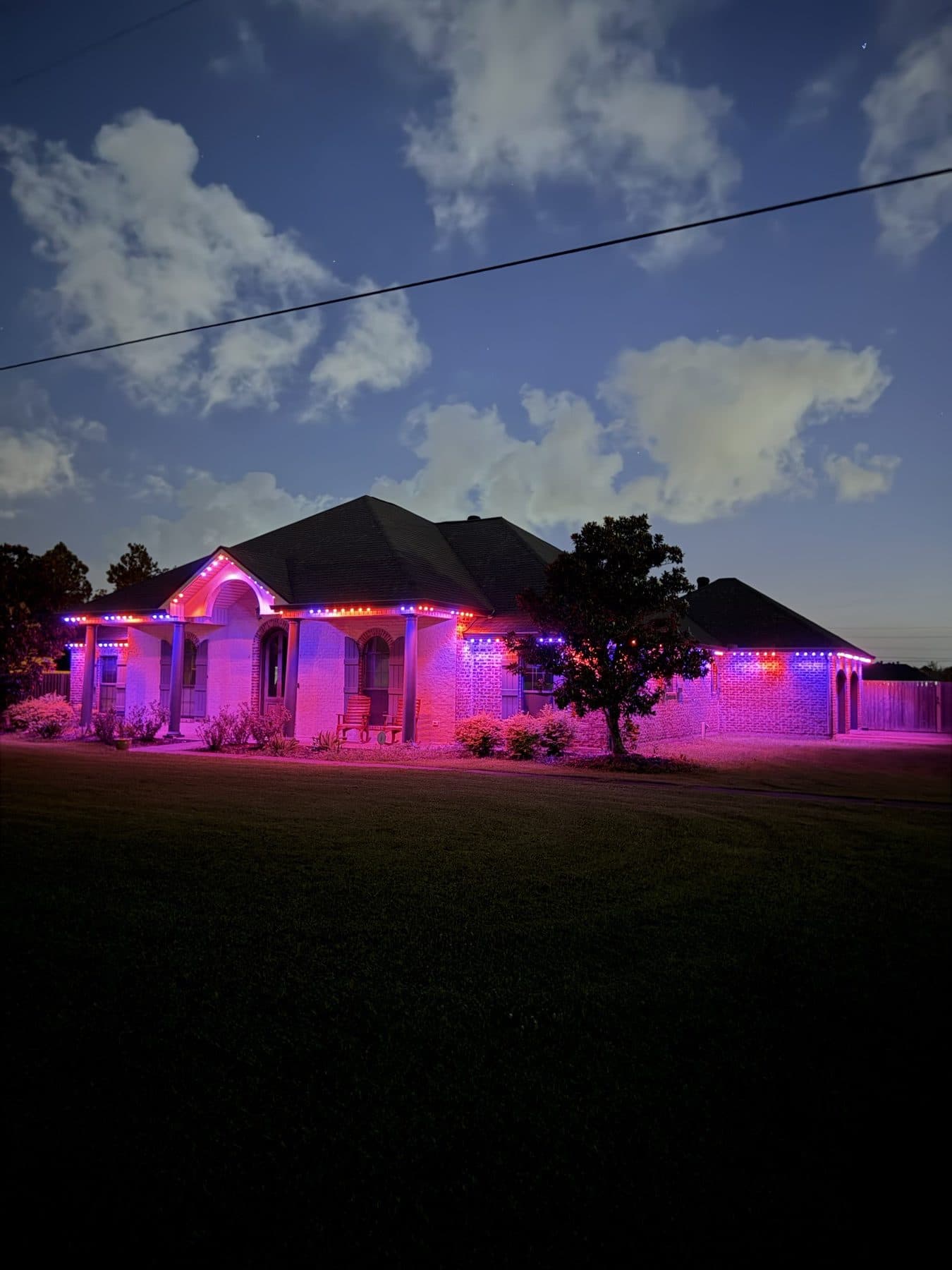
None of that works if the run stops halfway along the roofline, or if half the modules are on a controller that drops offline. The scenes are only as good as the install underneath them.
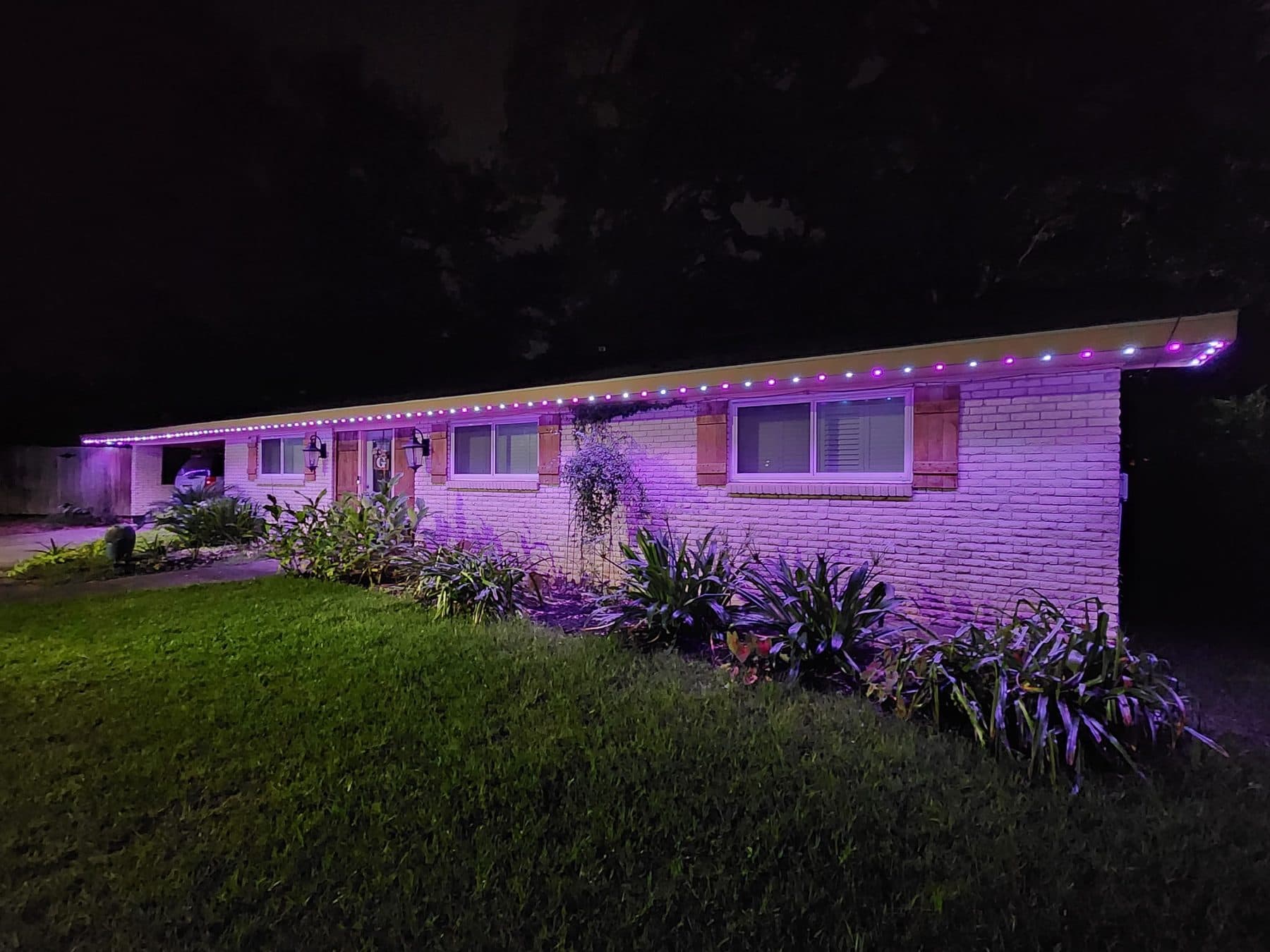
We take on other companies' work
This is worth saying plainly, because a lot of people assume they are stuck.
If another company installed your lights and has stopped answering, we will come out, tell you honestly what you have, and quote the work to make it right. Sometimes that means replacing an uncertified box and rewiring. Sometimes it is just finishing the sections they never got to. Occasionally it is genuinely fine and we tell you that too.
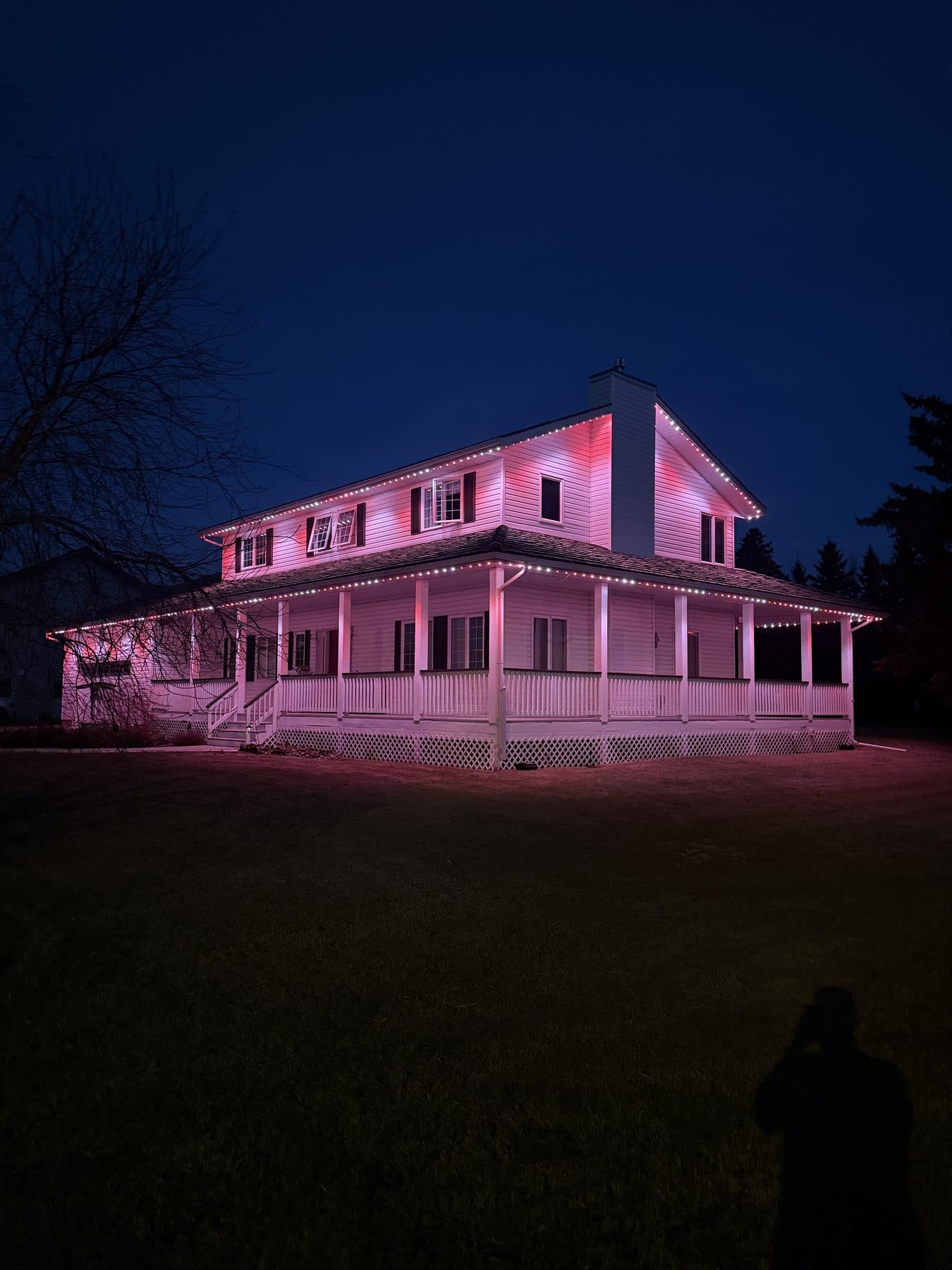
When we take a system over, the warranty and support come to us. You are not left chasing a company that no longer exists for a part that no longer ships.
What to check before you sign with anyone
A short list, and it applies to us as much as to anybody else:
- Ask for the control box certification, by name. You want a listing mark on the label, not a verbal assurance. C-UL, UL 2108, CSA C22.2.
- Get the scope in writing, gable by gable. "Front of house" is not a scope. Which peaks, which sides, how many linear feet.
- Ask who holds the warranty and for how long. If the installer is a reseller for a manufacturer, ask what happens if the installer stops trading.
- Ask to see a daytime photo of a finished job. Anyone can look good at night. Daylight shows you the workmanship.
- Ask whether the wiring is concealed in track or surface-run and stapled.
- Check that the app is tied to a manufacturer that still supports it. Generic controllers running white-label apps are the ones that go dark.
If you are already stranded
Send us a photo of your control box and the front of your house, and tell us roughly when it was installed and by whom, if you know. That is usually enough for us to tell you whether you are looking at a repair, a box swap, or a full rewire, before anyone comes out.
We would rather give you a straight answer for free than have you spend another season with half a roofline lit.
Frequently asked questions
Will you take over an install another company started?
Yes. We come out, assess what is actually there, and quote the work to finish or correct it. That may be replacing an uncertified control box and rewiring, or simply completing the sections the original crew never got to. If the existing work is sound, we will tell you that too.
How do I know if my control box is certified?
Look for a listing mark on the label itself. The box we install is C-UL listed under file E483482 and built to UL 2108 and CSA C22.2. If there is no listing mark, an electrical inspector can fail the install, and the remedy is replacing the box rather than relabelling it.
What happens to my warranty if the original installer is gone?
When we take a system over and bring it up to standard, the warranty and ongoing support come to us. You are not left chasing a company that no longer trades for a part that is no longer supplied.
Why do the gable peaks get skipped so often?
They are the slowest part of the job. The front roofline is quick work off a short ladder, while the peaks are high and awkward. A crew moving fast between deposits will do the easy run and leave the rest, which is why scope should be written gable by gable rather than as "front of house".
Do you charge to look at another company's install?
There is a small call-out fee for an assessment, which covers the trip and a full inspection of the control box and wiring. If you send photos of the box and the front of the house first, we can usually tell you for free whether you are looking at a repair, a box swap, or a full rewire.
Questions before you book?
Visit our FAQ page
Get quick answers on Gen 3 Lighting, pricing, install timelines, app setup, warranty, and what to expect on install day.